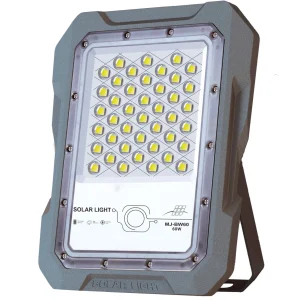
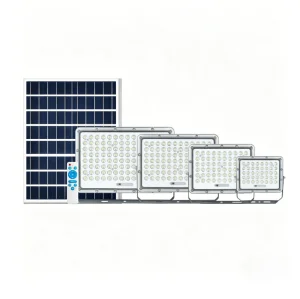
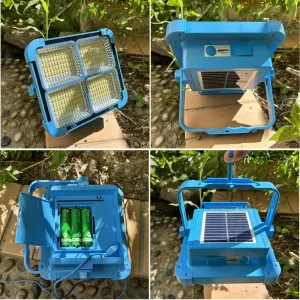
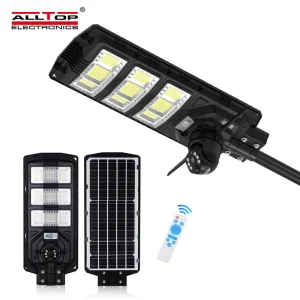
In the era of sustainable urban development, Solar Umbrella Lights and high-performance solar flood lighting have transitioned from niche garden accessories to critical components of green infrastructure. As the global market shifts toward 2030 carbon neutrality goals, the demand for manufacturers who can integrate EEAT principles (Experience, Expertise, Authoritativeness, and Trustworthiness) into their production lines has never been higher.
Hotels, resorts, and public squares are replacing traditional grid-tied patio lighting with solar umbrella solutions to reduce operational costs by up to 40% and showcase environmental commitment.
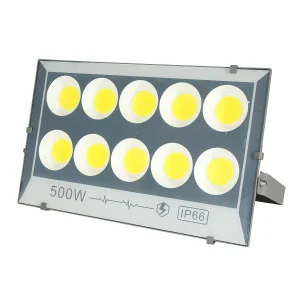
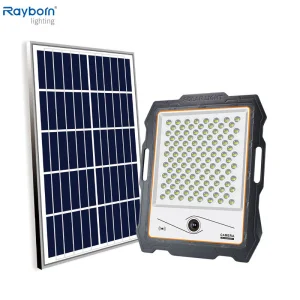
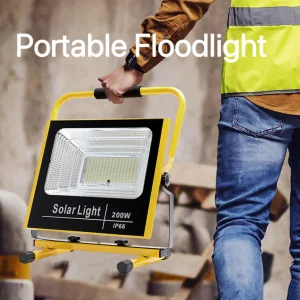
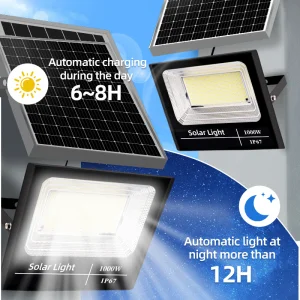
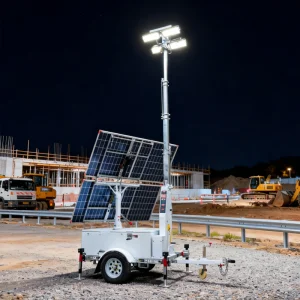
Solar flood lights are now standard in logistics hubs and construction sites where "Information Gain" from integrated AI cameras provides both light and security data.
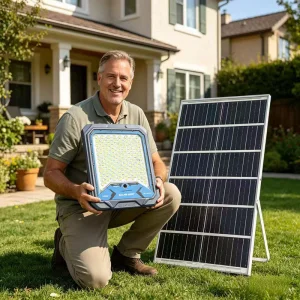
Homeowners are seeking "Smart Solar" solutions that sync with mobile apps, moving beyond simple on/off switches to complex dimming schedules.
The next decade of solar lighting will be defined by three technological pillars. Leading manufacturers like Foshan Joliras Light Co., Ltd. are already investing heavily in these R&D areas to ensure long-term product viability.
Why does the majority of the world's solar lighting originate from Foshan, China? It is not just about cost; it is about Supply Chain Resilience and the "Industrial Cluster" effect.
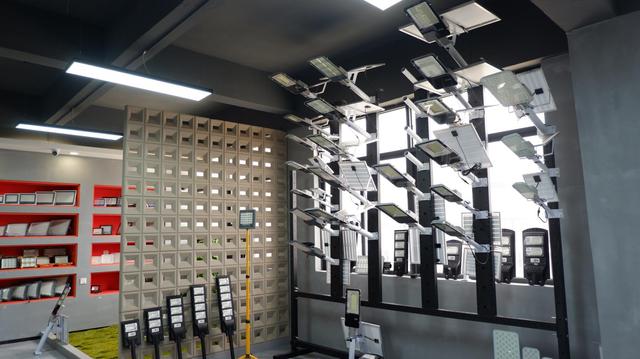
Located in the heart of the Pearl River Delta, Foshan Joliras Light Co., Ltd. leverages a 11,000sqm facility to provide a "Vertical Integration" model. From aluminum die-casting to SMT (Surface Mount Technology) for LED boards, every step is controlled in-house. This reduces lead times by 30% compared to fragmented international competitors.
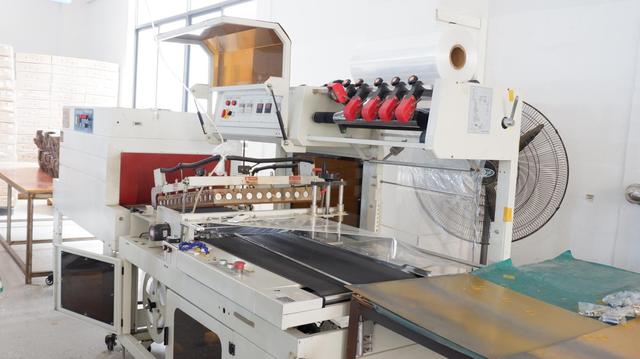
Established in 2013, Foshan Joliras Light Co., Ltd. has redefined the standards for OEM and ODM manufacturing in the outdoor lighting sector. With a staff of 160+ dedicated professionals, the company focuses on "Systematic Reliability"—ensuring that every solar flood light or umbrella-compatible system operates flawlessly in extreme temperatures (from -20°C to +60°C).
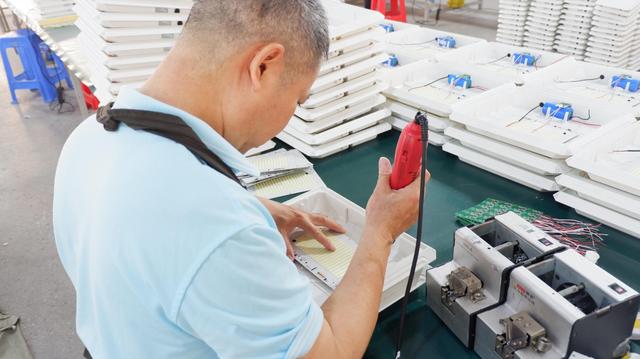
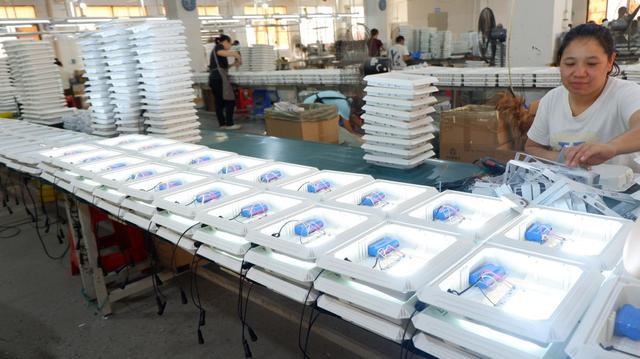
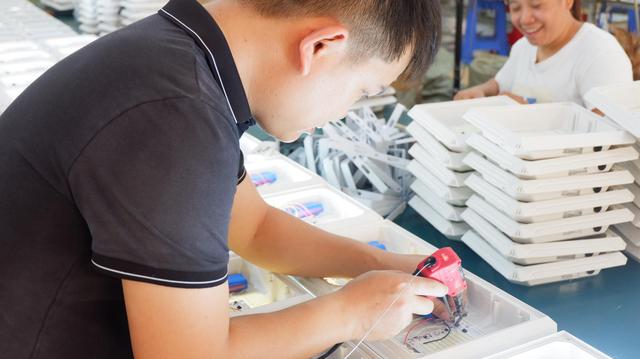
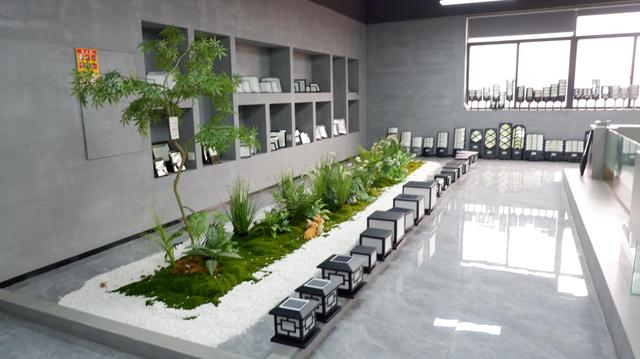
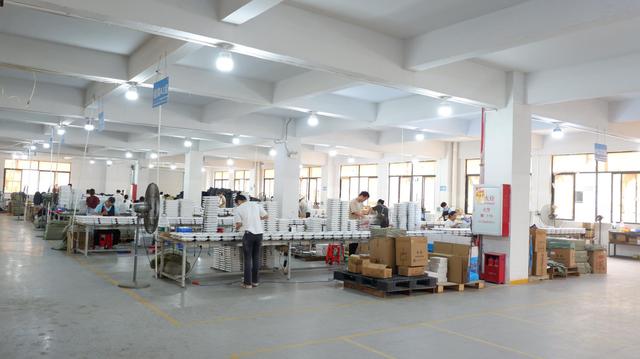
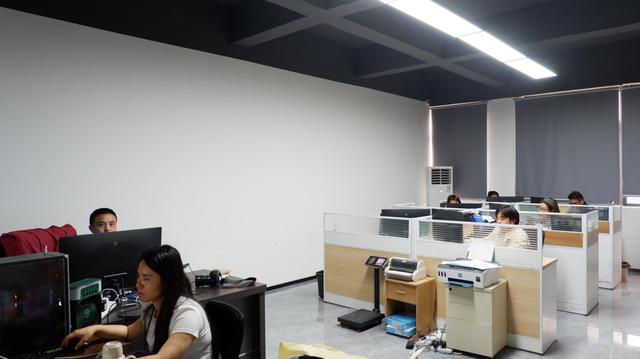
Their OEM/ODM capabilities extend to product structure design, lighting performance optimization, and custom solar panel configurations. For global distributors, this means receiving a product that is not just "off the shelf" but engineered for specific regional requirements—whether that’s high humidity resistance for Southeast Asia or salt-spray protection for coastal North American regions.
Successful solar lighting manufacturers must understand local regulations. Joliras ensures all products meet CE, RoHS, and FCC standards, but also goes further by providing localization support for:
Our 5-Step Quality Check:
LiFePO4 (Lithium Iron Phosphate) offers higher thermal stability, safety, and a significantly longer cycle life (2000+ cycles) compared to traditional Li-ion (500-800 cycles), making them ideal for high-temperature outdoor solar applications.
An IP67 rating ensures the device is completely dust-tight and can withstand temporary immersion in water. This prevents internal corrosion of the PCB and LED chips, which is the primary cause of failure in outdoor electronics.
Yes, leading manufacturers like Joliras offer ODM services to integrate 4G/LTE modules, motion-triggered CCTV, and centralized CMS (Central Management System) protocols for large-scale urban lighting projects.
Information Gain refers to the additional value provided by a manufacturer beyond the physical product—such as photometric reports, wind-load calculations, and ROI energy-saving projections that help buyers make data-driven decisions.
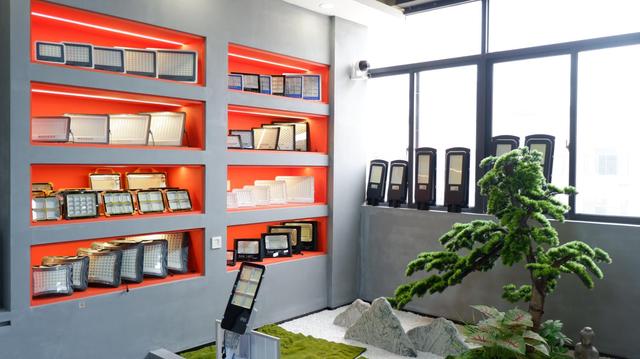
 Joliras Light