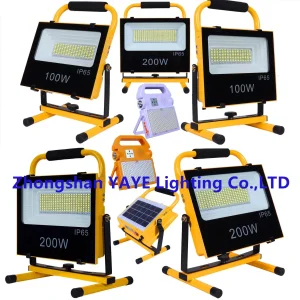
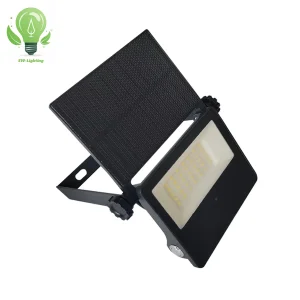
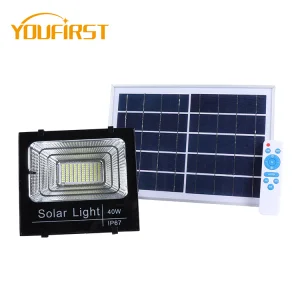
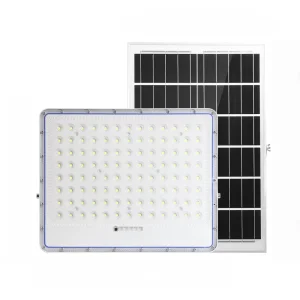
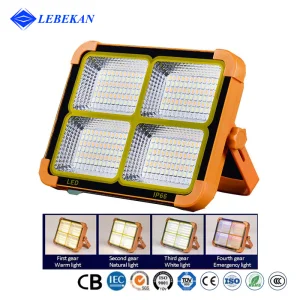
In the current era of energy transition, Solar Rechargeable Flood Lights have evolved from niche off-grid gadgets to central components of global sustainable infrastructure. As a leading manufacturer, Foshan Joliras Light Co., Ltd. recognizes that "rechargeable" no longer just means backup power—it signifies a versatile, resilient, and intelligent lighting ecosystem designed for the most demanding environments on Earth.
This white paper explores the critical intersection of high-wattage LED performance, advanced photovoltaic (PV) absorption, and the emerging need for localized, portable energy storage. We analyze why China remains the epicenter of this innovation and how Tier-1 factories are redefining the standards for reliability (E-E-A-T) in the lighting industry.
Foshan is the heart of China's electrical manufacturing. By sourcing raw materials, LED chips, and aluminum housings within a 50km radius, Joliras minimizes lead times and maximizes cost-efficiency for global wholesalers.
Our team of 160+ professionals focuses on Thermal Dynamics and Optic Beam Angles. We don't just assemble; we engineer lighting solutions that endure extreme heat and humidity.
Operating under ISO9001 standards, every batch undergoes aging tests, waterproof immersion tests, and salt spray testing to ensure 3-5 years of maintenance-free operation.
Modern solar flood lights utilize Monocrystalline Silicon panels. Unlike cheaper Polycrystalline alternatives, Monocrystalline panels maintain higher efficiency in low-light and cloudy conditions. For industrial-grade lights, the "Fill Factor" (FF) of the cell is critical, often exceeding 78% in Joliras' premium series.
The transition from Lead-Acid to Lithium Iron Phosphate (LiFePO4) has revolutionized the sector. LiFePO4 batteries offer 2000+ charge cycles compared to the 300-500 cycles of standard Ternary Lithium. Our integrated BMS prevents overcharge, deep discharge, and thermal runaway, extending the product lifespan by 400%.
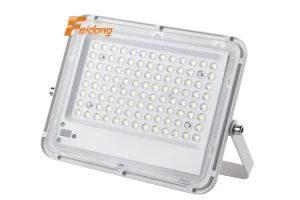
Luminous efficacy (Lumens per Watt) is the true measure of a light's performance. By utilizing high-density SMD3030 or 5050 chips, we achieve up to 170lm/W. Furthermore, asymmetric lens designs ensure that light is directed where it's needed (e.g., a parking lot) rather than being wasted as light pollution in the sky.
Current trends include the adoption of MPPT (Maximum Power Point Tracking) controllers, which increase charging efficiency by 20-30% over traditional PWM controllers. Many of our models now feature PIR sensors and 4G/WiFi camera integration for smart security monitoring.
Solar rechargeable technology isn't just for gardens. It's a vital tool for diverse global sectors:
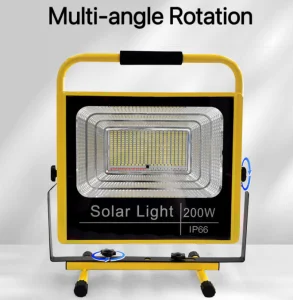
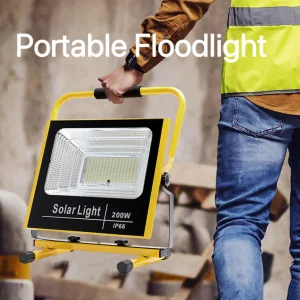
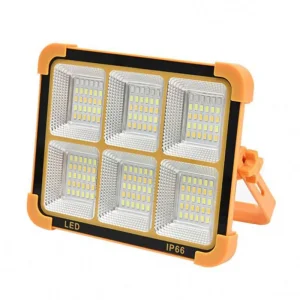
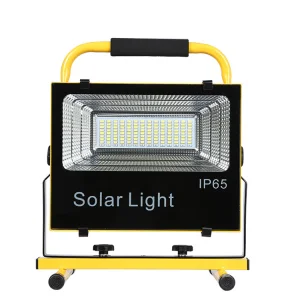
Temporary sites require rapid deployment. Our portable rechargeable floodlights (up to 600W) provide daylight-level illumination for night shifts without the noise and fuel costs of diesel generators.
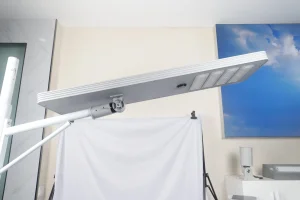
In regions where grid extension is cost-prohibitive, solar street and flood lighting provide safety for roads, public squares, and remote transport hubs, reducing crime and accidents.
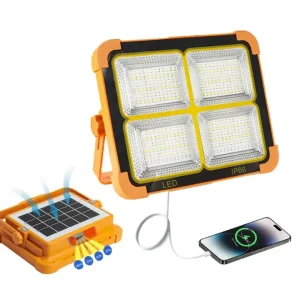
During natural disasters, power grids are the first to fail. Our integrated solar lamps with phone charging capabilities serve as lifelines for communication and search-and-rescue operations.
Security lighting for remote farms and lighting for greenhouses or fish ponds can be managed entirely through solar, removing the risk of electrical shorts in wet environments.
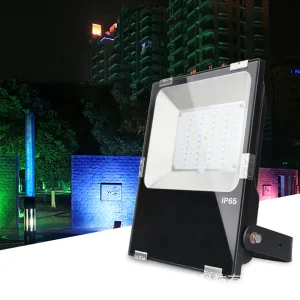
Eco-resorts and glamping sites use our designer solar floodlights to maintain aesthetic appeal while minimizing their carbon footprint and protecting the local environment.
When sourcing from Solar Flood Light Manufacturers, professional buyers are shifting their focus from "Initial Price" to "Total Cost of Ownership" (TCO). Key trends in global procurement include:
Foshan Joliras Light Co., Ltd. addresses these needs by offering full-stack customization and documented quality control for every project.
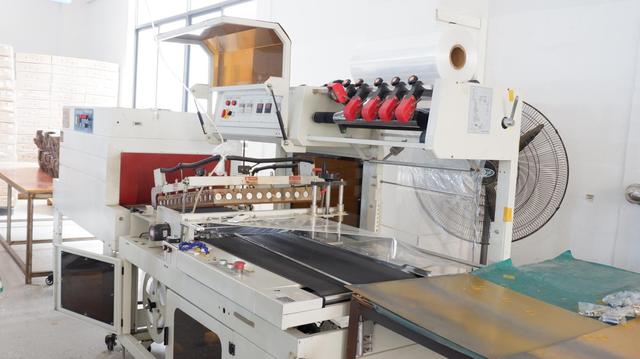
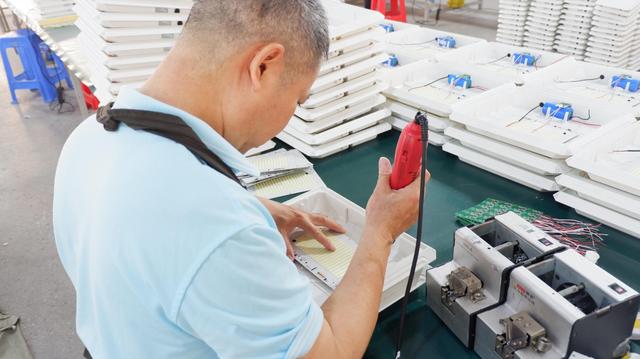
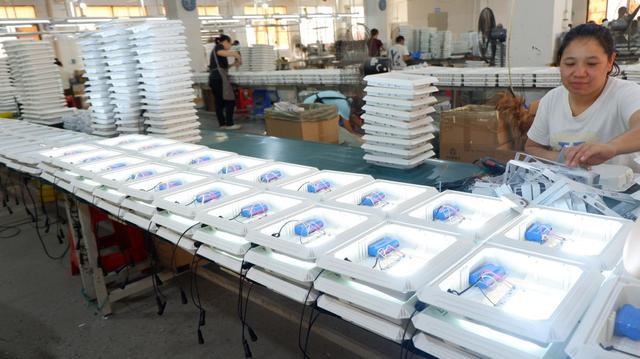

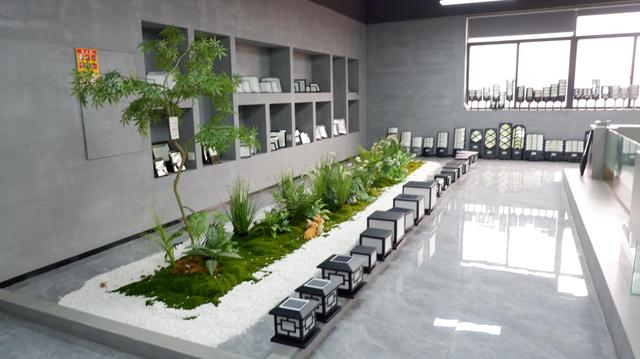
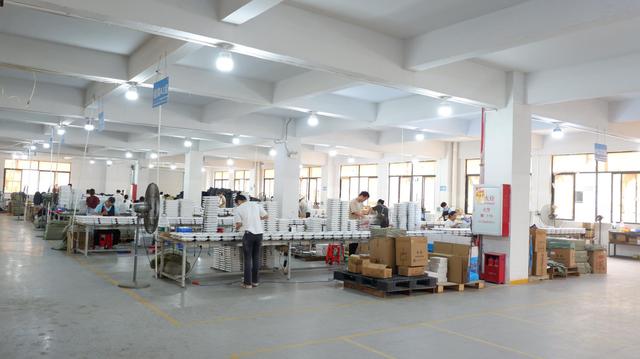
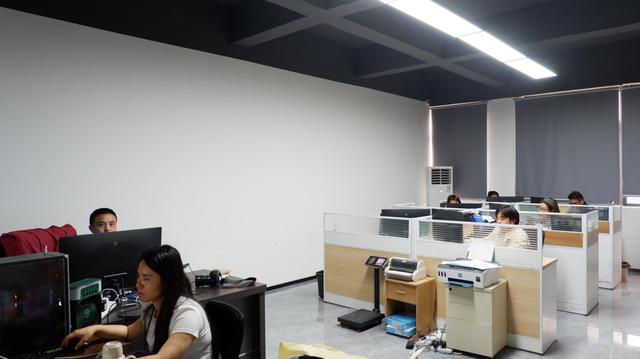
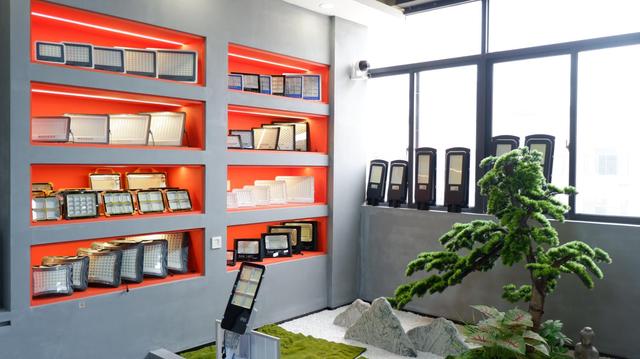
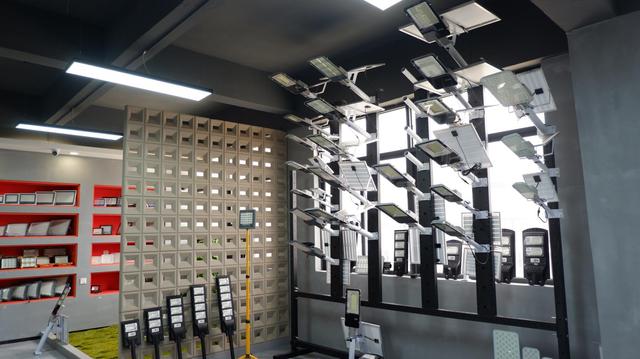
Established in 2013, Foshan Joliras Light Co., Ltd. has cemented its reputation as a cornerstone of the global solar lighting industry. From our 11,000 square meter production base in Foshan, China, we have pioneered energy-efficient lighting solutions that power commercial, industrial, and residential projects in over 60 countries.
Our commitment to Innovation, Sustainability, and Quality-First principles is evident in our rigorous QC processes, where automated production lines meet expert manual inspection. Whether you are a distributor, contractor, or lighting brand, Joliras provides the technical expertise and manufacturing scale to bring your vision to light.
Join the Solar Revolution with Joliras – Engineering a Brighter, Greener Future.
 Joliras Light