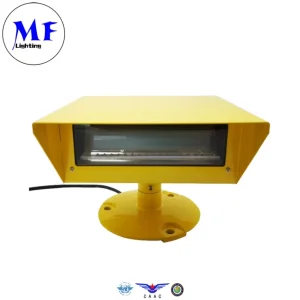
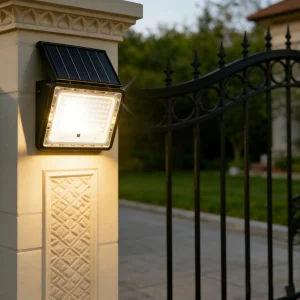
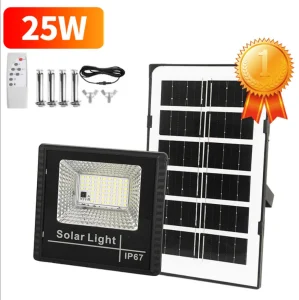
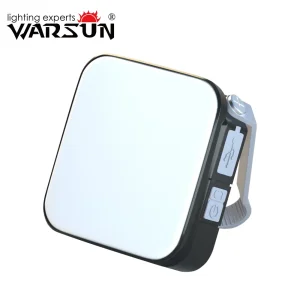
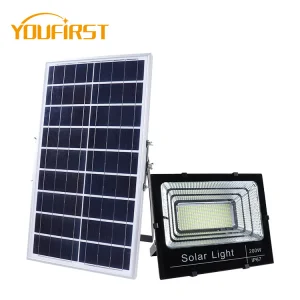
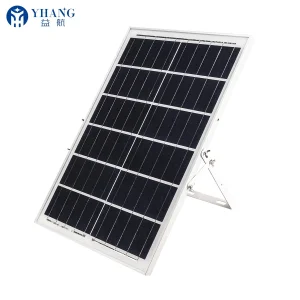
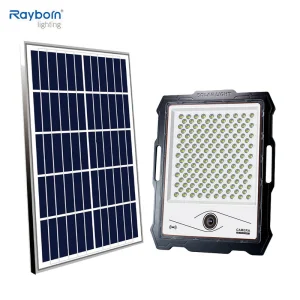
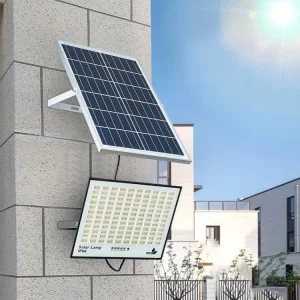
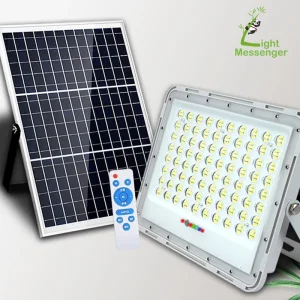
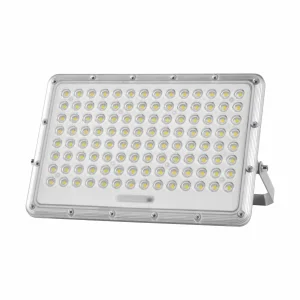
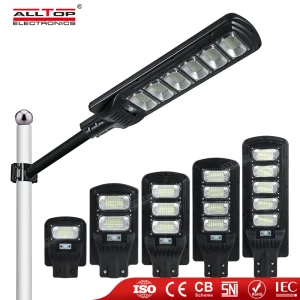
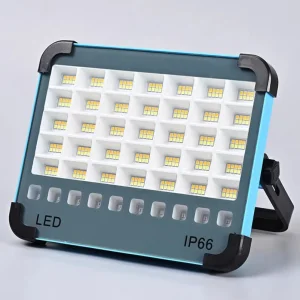
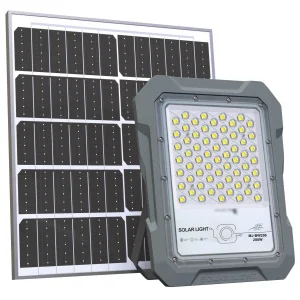
As the global energy landscape shifts toward decentralized, renewable sources, the Solar Waterproof Flood Light has transitioned from a niche garden accessory to a critical component of industrial security and public infrastructure. Modern systems now integrate high-density lithium iron phosphate (LiFePO4) batteries and high-conversion monocrystalline silicon to achieve unprecedented reliability in extreme climates.
Modern solar flood lights utilize AI-driven controllers that adjust brightness based on battery capacity and weather forecasts, ensuring 365 days of illumination even in prolonged rainy seasons.
While IP65 was once the standard, global exporters are now pushing toward IP67 and IP68 ratings, utilizing vacuum-sealed aluminum housings to withstand coastal salt spray and tropical downpours.
The latest LED chips achieve over 210lm/W, allowing 200W and 300W units to replace traditional 1000W halogen lamps, drastically reducing the physical footprint of the solar panels required.
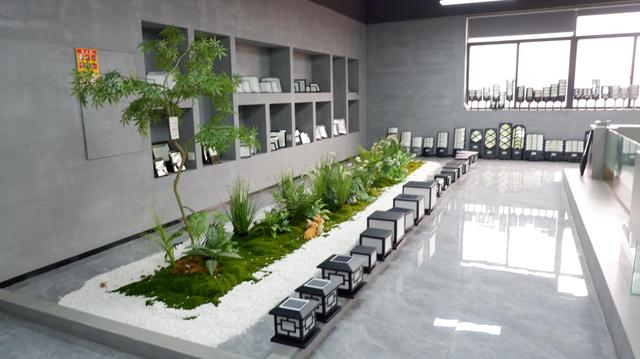
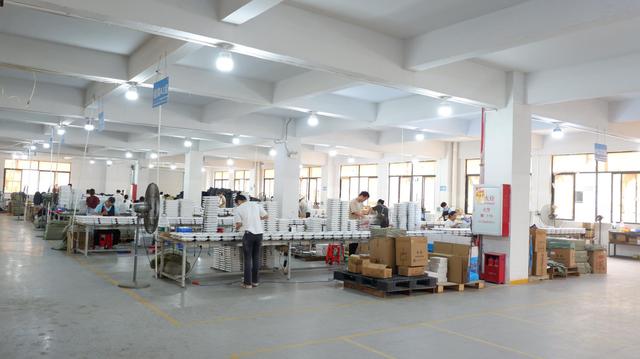
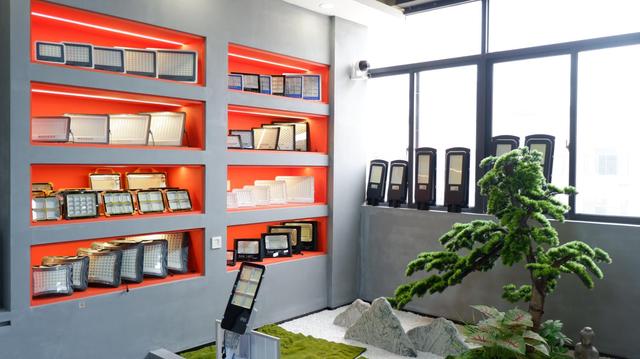
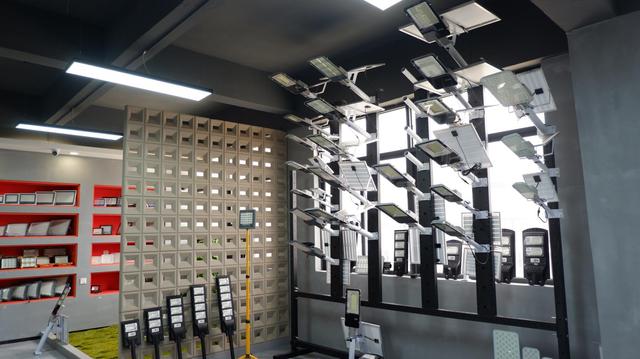
Established in 2013 in the heart of China's lighting hub, Foshan, Joliras Light Co., Ltd. has redefined the standards for outdoor security lighting solutions. Our vertically integrated production model allows us to control every facet of the manufacturing process, from aluminum die-casting to SMT LED assembly.
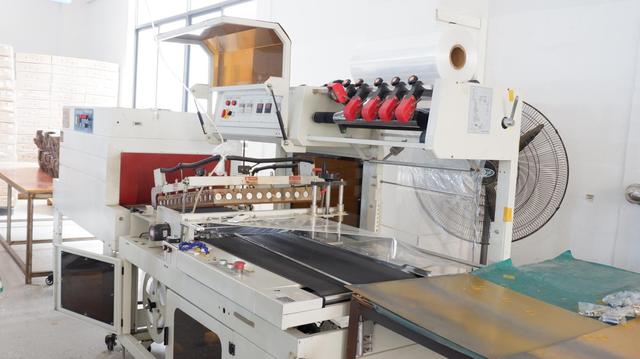
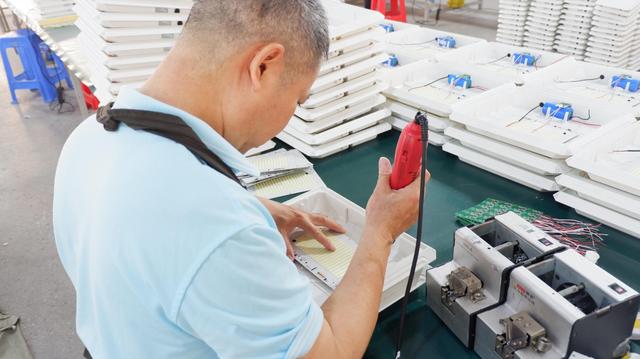
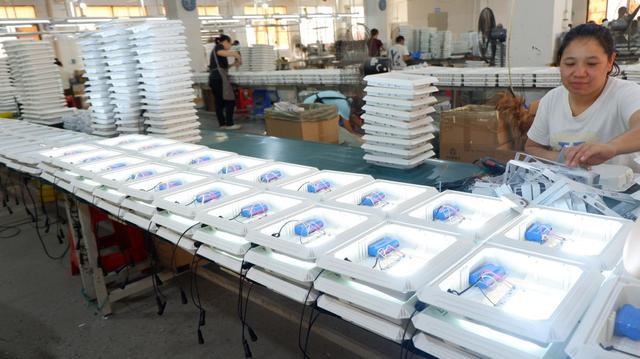
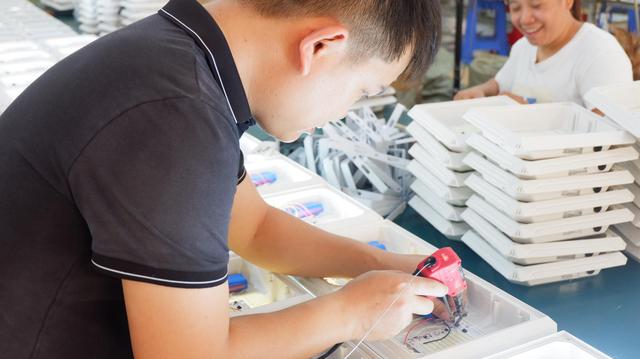
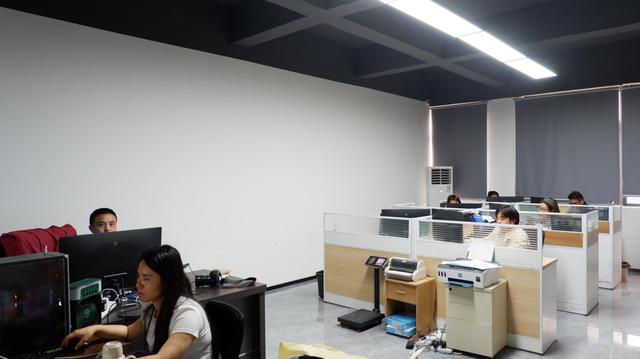
Our workforce of over 160 skilled professionals operates automated production lines designed for precision and scale. As a premier Solar Waterproof Flood Light Supplier, we don't just sell products; we engineer reliability for global distributors, wholesalers, and large-scale public infrastructure projects.
Procurement officers for municipal projects and commercial real estate are increasingly prioritizing Total Cost of Ownership (TCO). Our solar flood light range addresses macro-level challenges including:
Providing high-intensity lighting for remote construction sites, mining operations, and agricultural zones where grid extension is cost-prohibitive.
Helping corporations meet ESG (Environmental, Social, and Governance) goals by transitioning from traditional metal halide lamps to zero-emission solar LED systems.
Supporting the "Internet of Lights" with optional Zigbee/LoRaWAN modules for remote monitoring of battery health and energy harvesting statistics.
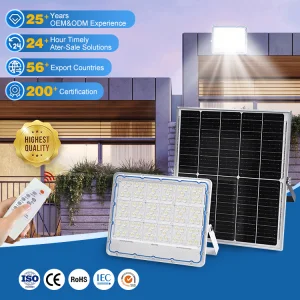
Full adherence to CE, RoHS, and local electrical standards ensures seamless import and distribution across Europe, North America, and Southeast Asia.
Our R&D team is currently focused on three core pillars of innovation for the 2025-2030 cycle:
 Joliras Light