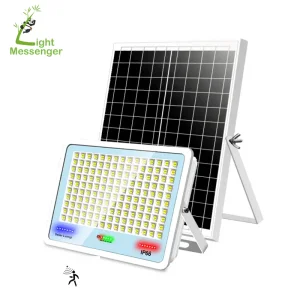
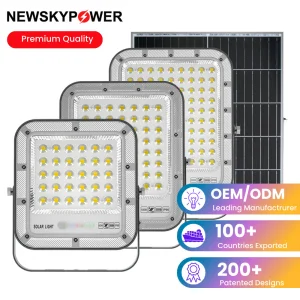
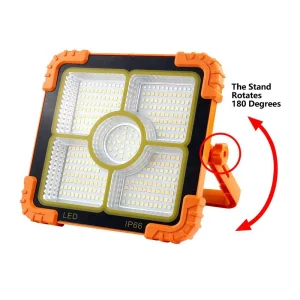
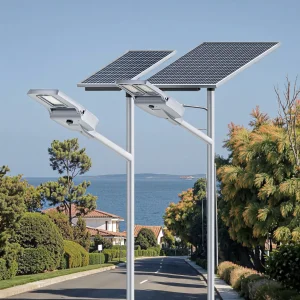
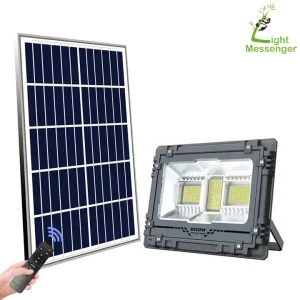
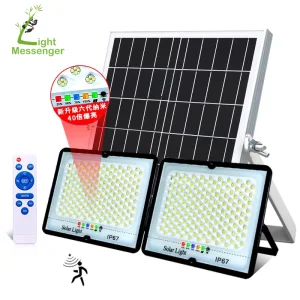
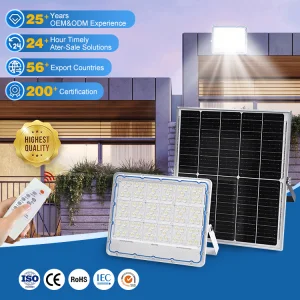
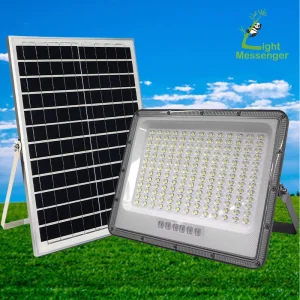
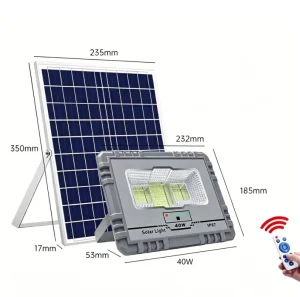
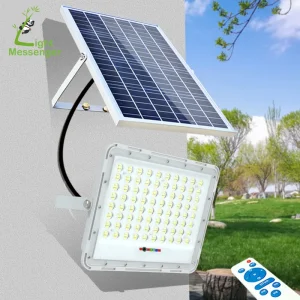
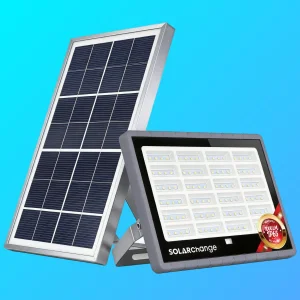
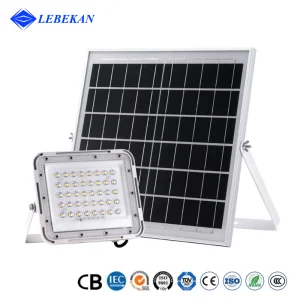
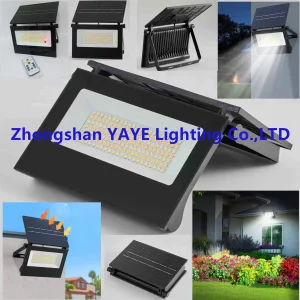
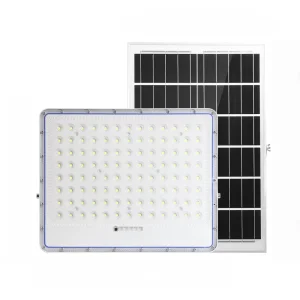
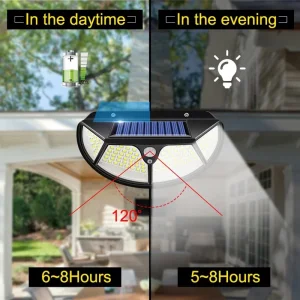
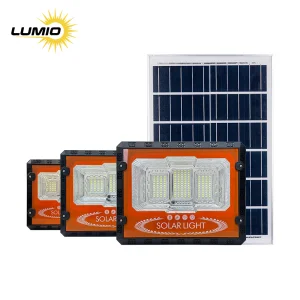
High-performance outdoor floodlights engineered for extreme durability and maximum energy harvesting.
Decoding why China leads the global transition to renewable outdoor lighting solutions.
In the rapidly evolving landscape of global renewable energy, Solar Smart Lights have emerged as a cornerstone for sustainable urban and rural development. As the world's leading hub for photovoltaic technology, China—specifically the industrial clusters in Foshan and Guangdong—provides an unparalleled ecosystem for the development and export of these high-tech lighting systems. For global enterprises, sourcing from a dedicated manufacturer like Foshan Joliras Light Co., Ltd. offers significant "Information Gain" and competitive edge.
Immediate access to the latest Lithium Iron Phosphate (LiFePO4) battery technology and high-efficiency monocrystalline silicon wafers ensures maximum ROI for large-scale projects.
Continuous investment in MPPT (Maximum Power Point Tracking) controller algorithms allows for 30% higher charging efficiency even in overcast conditions.
From 40W residential garden lights to 800W high-power stadium floodlights, China's flexible production lines allow for OEM/ODM precision.
A Professional Manufacturer & Global Exporter established in 2013.
Foshan Joliras Light Co., Ltd. is a professional manufacturer specializing in solar flood lights and outdoor security lighting solutions for global markets. Established in 2013 and located in Foshan, China, the company has grown into a reliable OEM and ODM factory focused on energy-efficient, high-performance solar lighting systems designed for commercial, industrial, and residential applications.
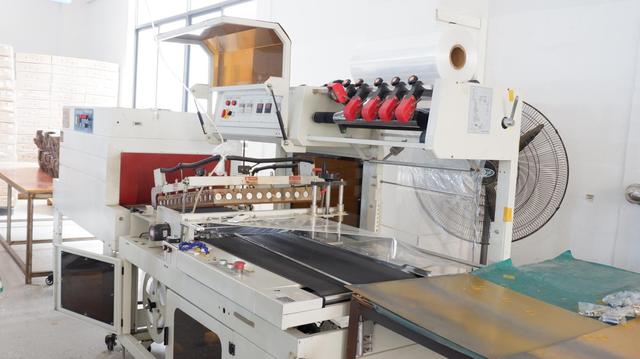
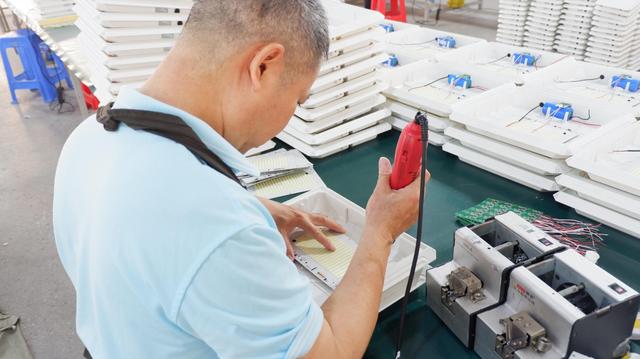
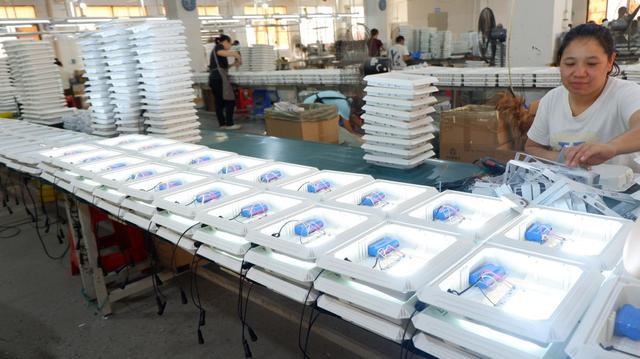
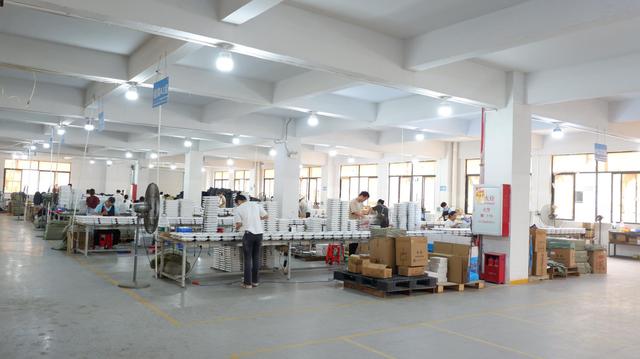
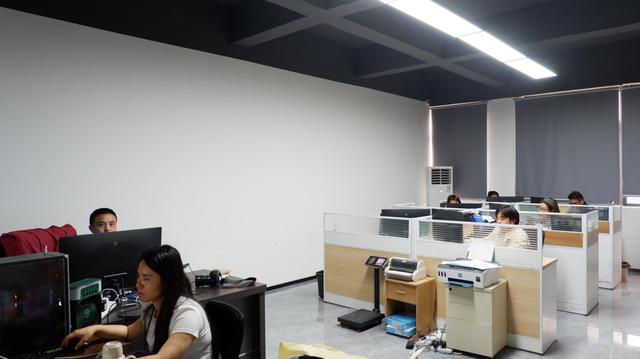
Joliras operates a modern production base covering approximately 11,000 square meters and employs more than 160 skilled staff members, including engineers, product designers, production technicians, quality control inspectors, and international sales professionals. With advanced manufacturing equipment, automated production lines, and strict quality management systems, the company ensures consistent product reliability and long service life.
Addressing global infrastructure challenges with smart solar integration.
Integrating solar street lights with motion sensors and IoT controls to reduce municipal energy costs by up to 80% while enhancing public safety.
Providing off-grid lighting solutions for agricultural zones, remote villages, and roads where traditional grid extension is economically unfeasible.
High-lumen solar floodlights for warehouses, construction sites, and parking lots, ensuring 24/7 visibility without ongoing electricity bills.
Portable solar emergency lights and foldable systems for rapid deployment in areas affected by natural disasters or power outages.
Stay ahead of the market with insights into the future of solar smart lighting.
The industry is rapidly moving away from lead-acid and traditional ternary lithium batteries toward Lithium Iron Phosphate (LiFePO4). These batteries offer over 2000 charge cycles and superior thermal stability, making them ideal for high-temperature environments in the Middle East and Southeast Asia.
Modern solar smart lights are beginning to incorporate bifacial panels that can harvest light from both sides, increasing energy yield by up to 15% in snowy or sandy environments through Albedo effects.
Future-proof procurement now focuses on Smart Control. Our systems feature adaptive dimming, which adjusts brightness based on battery levels and ambient light, ensuring the light stays on even during consecutive rainy days.
Global enterprises are prioritizing suppliers with strict environmental standards. Joliras's commitment to energy-efficient manufacturing and long-life products directly supports our clients' ESG (Environmental, Social, and Governance) goals.
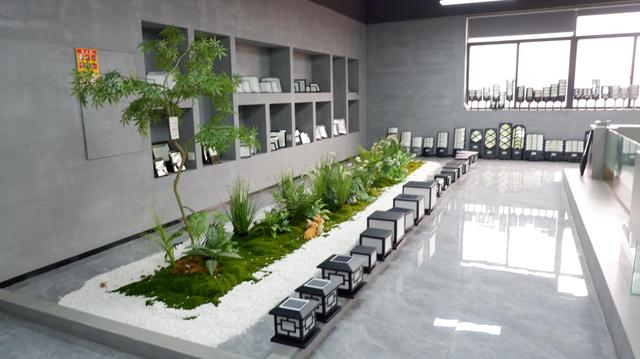
Inside our 11,000sqm Foshan production facility.

Expert answers to common solar lighting procurement inquiries.
A: We focus on Thermal Management and Component Synergy. By using die-cast aluminum housings with superior heat dissipation and matching them with Tier-1 LED chips and MPPT controllers, our lights achieve a longer lifespan (over 50,000 hours) and higher luminous efficacy compared to generic alternatives.
A: Yes. Our "Smart Control" systems feature adaptive power management. When the battery charge is low, the system automatically adjusts the brightness to ensure the light provides essential illumination throughout the night, extending the discharge time for 3-5 rainy days.
A: Absolutely. As an experienced OEM factory, we provide full customization: including solar panel wattage, battery capacity (LiFePO4), lighting performance (CCT/Lumens), and even housing design and branding for global distributors.
A: Our products are designed to meet international standards including CE, RoHS, and IP66/IP67 waterproof ratings, ensuring they are suitable for high-end commercial projects and government tenders.
A: We only use New Grade A Lithium Iron Phosphate batteries. Every battery pack undergoes rigorous capacity and cycle testing before being integrated into the lighting system, preventing the "dead on arrival" issues common with refurbished cells.
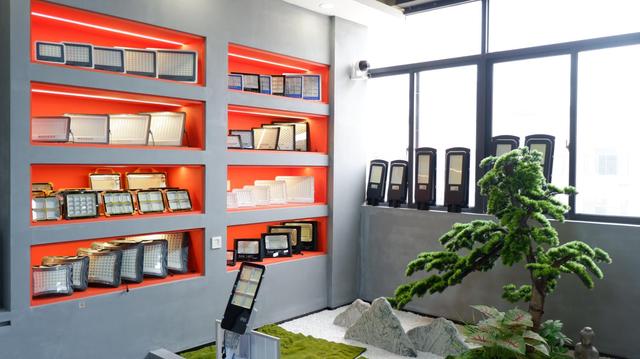
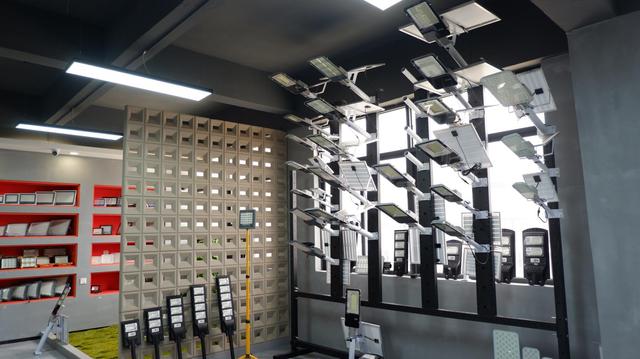
Explore our full range of high-efficiency outdoor solar lighting systems.
 Joliras Light