Directly sourced, high-efficacy architectural floodlights engineered for elite system durability and smart output management.
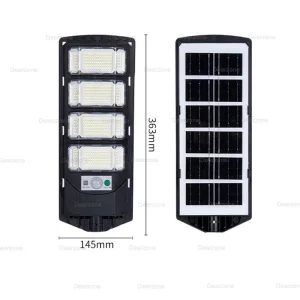
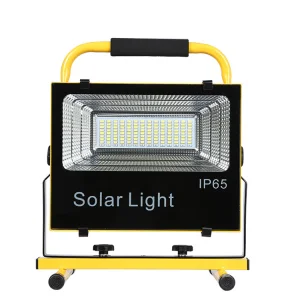
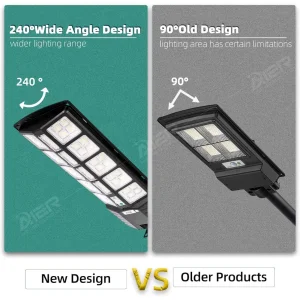
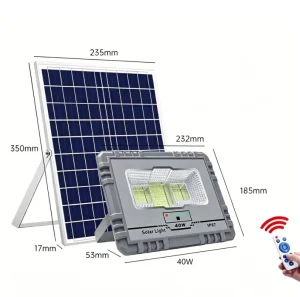
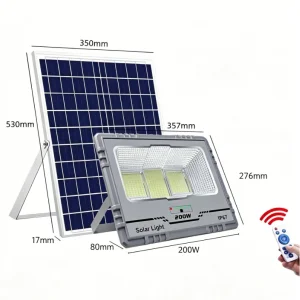
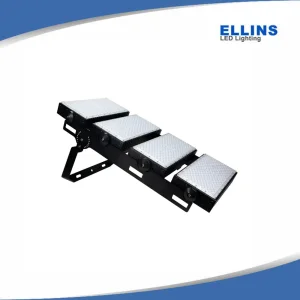
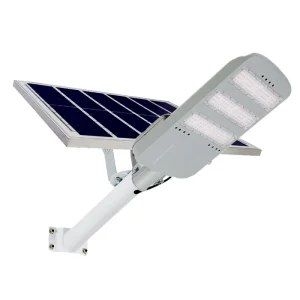
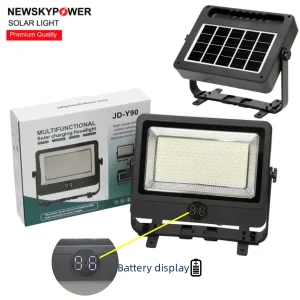
Analyzing the shift from standard utility fixtures to architecturally integrated, high-efficacy green solutions.
The global demand for high-end exterior illumination is undergoing a profound paradigm shift. Industrial, commercial, and municipality planners are transitioning away from traditional grid-dependent luminaires to sovereign, off-grid systems. The driver of this transition is no longer merely cost-savings; it is the demand for architectural elegance, long-term system survivability, and grid independence. High-performance solar lights, frequently categorized as "Solar Elegant Lights," represent a synthesis of engineering and aesthetics—blending monocrystalline silicon efficiencies, structural thermal management, and decorative structural integration.
Today, high-end applications like urban public spaces, corporate campuses, luxury hospitality sites, and architectural heritage locations require solutions that maintain visual harmony with their surroundings. The "industrial brick" look is deprecated. Modern buyers specify architectural-grade housings, concealed solar collectors, low-glare high-lumen SMD optics, and custom CCT (Correlated Color Temperature) parameters. This requires tier-1 manufacturers who operate specialized R&D departments capable of managing complex optoelectronic parameters alongside structural wind-resistance engineering.
Under the lens of industrial expertise, material durability, and sovereign technology roadmaps.
Evaluation based on real luminous efficacy exceeding 170 lm/W using SMD3030/5050 light engines combined with high-accuracy MPPT (Maximum Power Point Tracking) charge controllers to optimize solar conversion in challenging low-light seasons.
Focusing on die-cast aerospace-grade aluminum (ADC12) housing with anti-corrosion, marine-level coatings. The presence of sophisticated heat-sinks ensures junction temperatures remain low, safeguarding the LED chips from premature degradation.
Verification of A-grade Lithium Iron Phosphate (LiFePO4) chemistry with an intelligent Battery Management System (BMS). A reliable BMS safeguards against over-charge, over-discharge, and high thermal runaway, ensuring >3000 duty cycles.
Under the microscope: The 11,000 m² premium production engine behind global commercial-grade OEM/ODM projects.
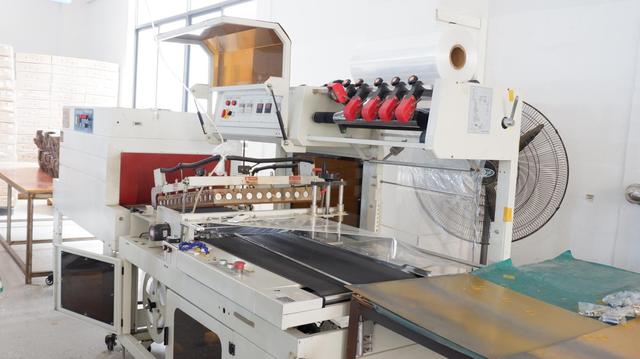
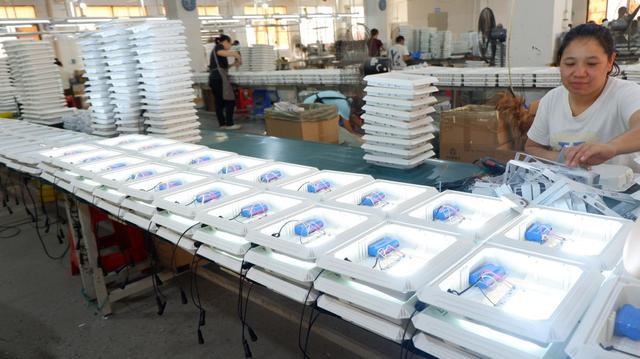
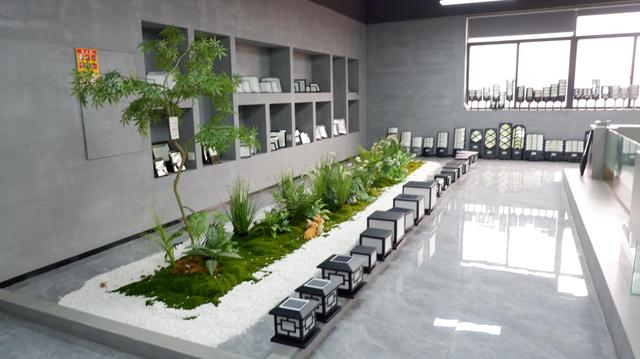
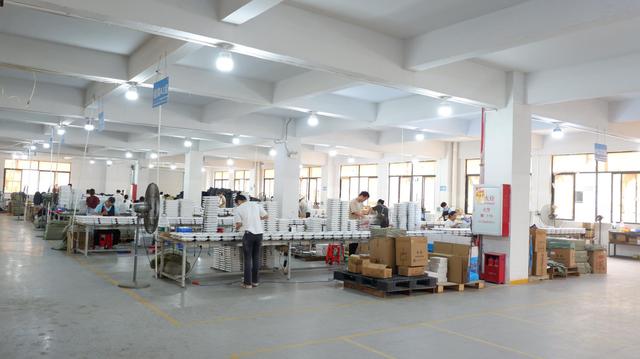
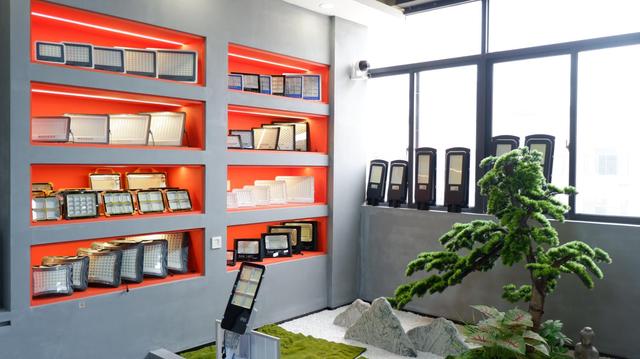
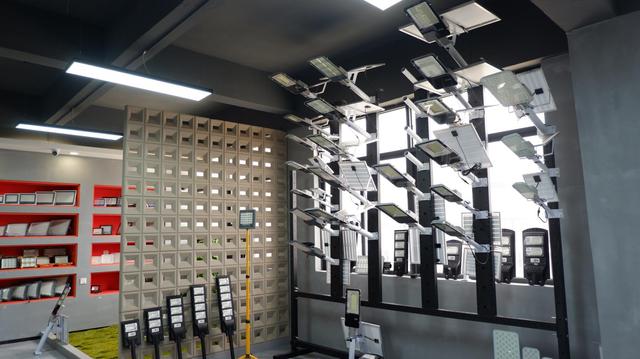
Established in 2013 in Foshan, China—a premier manufacturing hub—Foshan Joliras Light Co., Ltd. has scaled to become a globally revered OEM and ODM manufacturer. Joliras focuses on high-performance solar floodlights, street lights, and integrated architectural security systems. The brand has differentiated itself in a highly competitive market through strict compliance with rigorous E-E-A-T benchmarks—investing heavily in raw material vertical integration, automated quality-control chains, and specialized optical testing facilities.
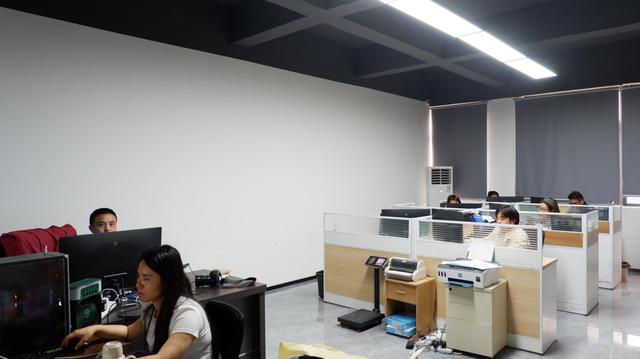
Operating a sprawling modern production base spanning 11,000 square meters and staffed by a highly specialized workforce of over 160 professionals, Joliras bridges the gap between clean aesthetics and long-lasting engineering. Their team of engineering designers and international sales executives work in close alignment to service global municipal contracts, utility distributors, and premium commercial contractors across North America, Europe, the Middle East, and Southeast Asia.


Deep dive into monocrystalline advancements, localized IoT integration, and eco-lux micro-architectures.
To establish true architectural authority and ensure system design-in, sourcing professionals must understand the technological shifts occurring at the component and firmware levels. The following roadmap profiles the near-term technological trajectory of solar light manufacturing:
Traditional polycrystalline technology has been largely phased out by elite manufacturers due to its low conversion efficiency (often under 16%). Standard systems now leverage monocrystalline PERC (Passivated Emitter and Rear Cell) technology, yielding 21-22% conversion efficiency. The immediate horizon (2025-2027) introduces Heterojunction (HJT) solar cells, pushing efficiencies to 24.5%. This reduces the necessary physical surface area of the integrated light heads by approximately 15% without sacrificing power output, enabling much sleeker designs.
Unlike simple PWM (Pulse Width Modulation) controllers that pull down the panel operating voltage close to battery voltage, modern high-end architectural fixtures leverage Maximum Power Point Tracking (MPPT). MPPT controllers continuously monitor the V-I curve of the solar collector, ensuring the system operates at its optimal peak power output regardless of cloud coverage. This increases overall charging efficiency by 20% to 30%, which is critical in temperate regions experiencing prolonged overcast periods.
High-end architectural solar installations are no longer static, independent devices. Tier-1 manufacturers are integrating wireless control chipsets based on LoRaWAN, Zigbee, or 5G cellular communication. Through central management software, municipal energy managers can:
A detailed look at the core manufacturing characteristics, capabilities, and target landscapes of leading global suppliers.
| Manufacturer Category / Tier | Primary Product Specialization | Key Technical Strengths | Customization (OEM/ODM) Grade | Key Testing & Certifications |
|---|---|---|---|---|
| Foshan Joliras Light Co., Ltd. | High-Power Split & All-in-One Solar Floodlights, Smart Security Systems | Dynamic MPPT controller integration, advanced thermal-conductive ADC12 die casting, high lifecycle LiFePO4 batteries | Elite Grade - Full customization of structures, optics, panels, and custom firmware configurations | CE, RoHS, IP67 Waterproof, Anti-corrosion Aging ISO9001 |
| Premium Municipal Suppliers | Heavy-Duty Highway Streetlamps, Smart Grid Infrastructure | LoRaWAN grid telemetry integration, wind loading engineered steel poles | Moderate - Standard structures but highly configurable electronics and communications | DLC Premium, UL Listed, ENEC, Dark-Sky Compliant |
| Architectural Lighting Brands | Boutique Pathway Lights, High-End Decorative Sconces | Minimalist aesthetics, high-end CRI (>90) chip engines, integrated micro-optics | Low - Sells mostly proprietary designs with minimal physical variations | CE, IP65, CE-LVD, REACH |
| High-Power Stadium Specialists | Multi-Thousand Watt Equivalent Sport Court Projectors | Ultra-high-angle asymmetric optics, dual-channel heavy-gauge external drivers | High - Focuses on precise lens customization for glare control | IK08/IK10 Impact Rating, IP66, CE, FCC |
| Specialized Explosion-Proof Developers | Hazardous Area Luminaires, Oil/Gas Platform Floodlights | Spark-proof structural chambers, pressurized aluminum cells | Low - Specialized builds restricted to pre-certified designs | ATEX, IECEx, Class I Div 2 Certifications |
Matching advanced technical specifications to specific geographical and commercial real-world deployments.
Recommended Spec: High-Power 200W-250W Explosion-Proof Class I Div 2 Solar Floodlights.
Scenario: Oil refineries, chemical depots, fuel bunkering docks, and heavy industrial processing facilities. These systems leverage spark-proof internal housing to guarantee absolute isolation of electrical components from combustible environmental gases, ensuring consistent illumination off-grid without requiring heavy armoring of high-voltage cables.
Recommended Spec: Asymmetric Lens 1500W-2000W LED IP67 Football Field Projector.
Scenario: Football pitches, municipal tennis courts, and neighborhood athletics fields. Sports installations require uniform glare-free horizontal lux values. These high-power solar setups are configured with asymmetric light projection angles and high mast brackets, delivering high CRI (Color Rendering Index) performance without placing any burden on the local electrical grid.
Recommended Spec: Motion Sensor Integrated Split-Solar Streetlamps with 1080P Cameras.
Scenario: Commercial parking complexes, retail center perimeters, and remote distribution warehouse roads. By deploying integrated radar motion sensors, the fixtures can transition to low-consumption energy saving profiles (e.g., 20% luminosity) when empty, instantly ramping to 100% full illumination and activating live high-definition security feeds upon human or vehicle ingress.
Avoiding systemic failure by using standard mathematical balancing equations for autonomous operations.
A common error in global project sizing is purchasing lighting fixtures solely based on advertised "equivalent wattage" output. A true industrial engineer calculates the dynamic energy balancing equation to ensure continuous autonomy throughout consecutive overcast winter periods. The basic calculation relies on the following variables:
System Balance Formula:
Daily Power Consumption (Wh) = LED Wattage (W) × Total Run Time (Hours/day)
*Adjust for local efficiency coefficients. Monocrystalline conversion typically operates at ~20-22%, while dynamic MPPT controllers yield an efficiency multiplier of approximately 95%.
To calculate the required Solar Collector Sizing (Wp) based on local solar insulation resources:
Solar Panel Size (Wp) = [Daily Wh Consumption ÷ (Average Daily Peak Sunlight Hours × System Efficiency Coefficient)]
For example, if a 100W light runs for 10 hours a day (total consumption 1000Wh) in a region with 4 hours of peak daily sunlight and a systemic loss coefficient of 0.8:
Solar Panel Size = 1000Wh ÷ (4 × 0.8) = 312.5 Wp
Without this precision matching, any high-power lighting array installed in a sub-optimal global region will suffer regular voltage drops or fail to complete its designed illumination cycle. Sourcing directly from an engineering manufacturer like Foshan Joliras enables you to adjust the physical size of the monocrystalline collector and the lithium battery bank capacity before bulk production begins.
Highly detailed answers to critical engineering and logistical questions asked by professional buyers.
PWM (Pulse Width Modulation) acts as a basic switch connecting the solar panel directly to the battery. This forces the panel to pull down its voltage to match that of the battery, sacrificing up to 30% of the potential electrical energy conversion. In contrast, MPPT (Maximum Power Point Tracking) functions as an advanced DC-to-DC converter. It constantly tracks the optimal combination of voltage and current produced by the PV cell, maintaining the peak voltage of the solar panel while stepping down voltage to provide extra current to the battery. For professional, architectural, or winter-prone projects, MPPT is mandatory to ensure regular operations during overcast days.
Ternary Lithium (NMC) batteries possess high energy density but present two major weaknesses in exterior solar systems: a lower lifecycle profile (about 500 to 800 cycles before degradation) and high thermal runaway sensitivity (making them vulnerable to hot high-noon charging environments). On the other hand, Lithium Iron Phosphate (LiFePO4) exhibits a superior lifecycle (typically 3,000 to 5,000 full duty cycles to 80% capacity) and high thermal stability (runaway temperature exceeding 60°C). This translates into a vastly lower Total Cost of Ownership (TCO), with a lifespan easily exceeding 8 to 10 years of daily usage.
To survive a full IP67 ingress protection test (immersion in water up to 1 meter depth for 30 minutes), a solar lighting fixture must integrate three structural engineering designs: First, custom-molded silicone gaskets rather than cheap glue seals. Second, double-chamber physical partitioning, keeping the battery and controller isolated from the LED optical compartment. Third, the incorporation of professional venting elements (such as breathable PTFE membranes) that equalize internal air pressure variations caused by drastic day-to-night temperature changes while completely blocking liquid water molecules from entering.
Standard LED lights emit a symmetric, round 120-degree light distribution. In a stadium, tennis court, or parking environment, this creates excessive glare, high spill light, and severe dark spots. Professional applications demand asymmetric optical lensing (such as Type II, Type III, or Type IV distribution curves). These custom-engineered polycarbonate or glass lenses bend and direct light forward and laterally across the targeted ground plane rather than upward or backward, optimizing useful lux levels and preventing light pollution (conforming to global Dark-Sky standards).
Exploring advanced specifications including explosion-proof structural housings and integrated surveillance models.
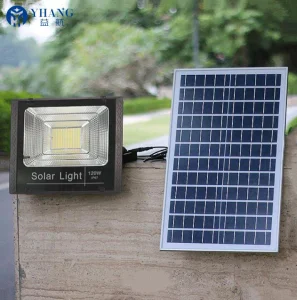
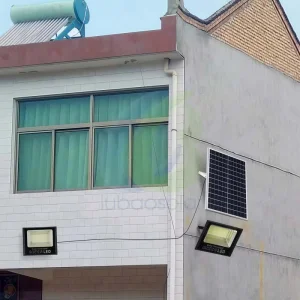
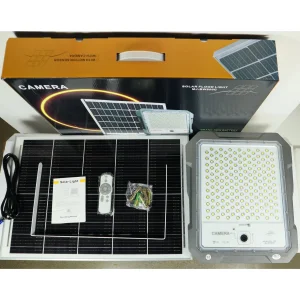
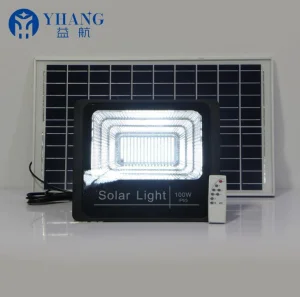
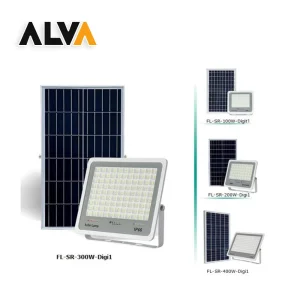
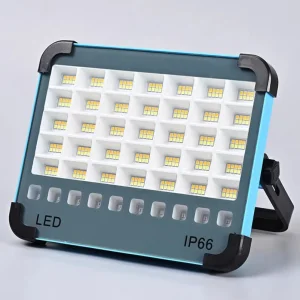
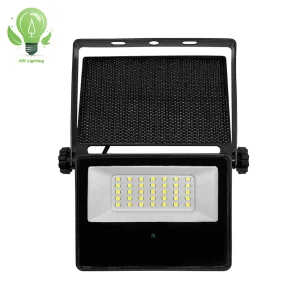
 Joliras Light