Joliras Light
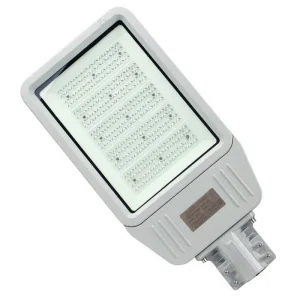
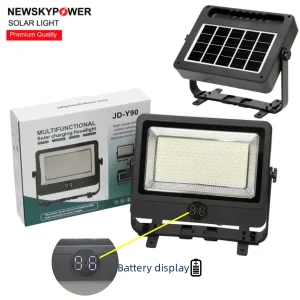
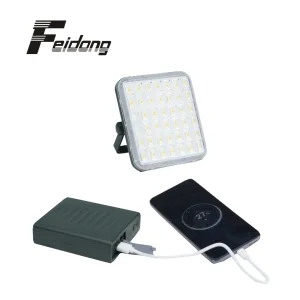
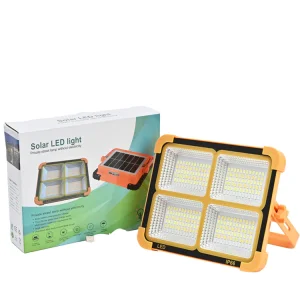
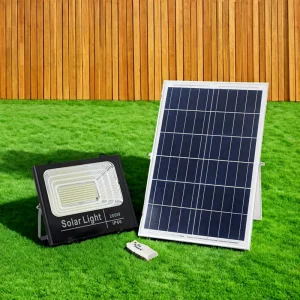
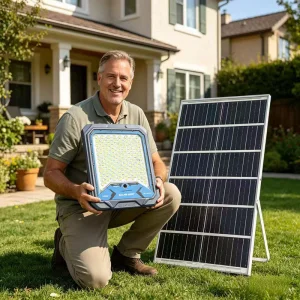
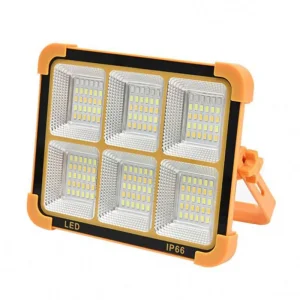
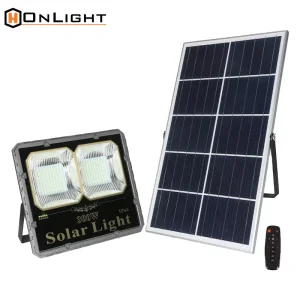
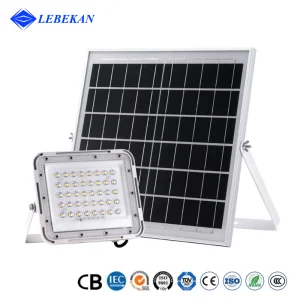
The Strategic Evolution of Solar Energy Flood Lighting in Global Infrastructure
In the current era of global energy transition, Solar Energy Flood Lights have transcended their status as mere outdoor fixtures to become critical components of sustainable urban and industrial infrastructure. As the world pivots toward Net Zero emissions, the demand for high-performance, autonomous lighting systems is surging. China, led by pioneering manufacturers like Foshan Joliras Light Co., Ltd., now stands at the epicenter of this $8.5 billion industry, providing the technological backbone for projects ranging from remote mining operations in Australia to smart city initiatives in Europe.
Industrial Resilience
Engineered for extreme environments, featuring IP67/IP68 waterproofing and explosion-proof certifications for hazardous zones.
Energy Autonomy
Zero grid reliance with advanced MPPT controllers, ensuring lighting performance even during prolonged overcast periods.
Smart Integration
4G/IoT connectivity and AI-driven motion sensing optimize power consumption and enhance site security monitoring.
Global Commercial and Industrial Status
The global market for solar flood lighting is no longer limited to domestic garden use. In 2024, the primary growth drivers are commercial and industrial (C&I) sectors. Logistics hubs, deep-sea ports, and construction sites are rapidly replacing traditional metal-halide and HPS (High-Pressure Sodium) lamps with High-Power Solar LED Floodlights. The primary motivation is ROI: while the initial capital expenditure (CAPEX) might be higher, the operational expenditure (OPEX) is virtually zero, and maintenance costs are slashed by 70% due to the 50,000+ hour lifespan of modern LEDs.
Industry Development Trends & Tech Roadmap
The industry is moving toward "Total Efficiency." This includes:
- Bifacial Solar Panels: Capturing reflected light from the ground to increase energy generation by 15-25%.
- Solid-State & LiFePO4 Batteries: Moving away from lead-acid and standard ternary lithium to Lithium Iron Phosphate (LiFePO4) which offers 2,000 to 5,000 charge cycles and higher thermal stability.
- Adaptive Dimming (AI): Using machine learning to predict weather patterns and adjust brightness levels to ensure the battery lasts through the night (Autonomy Days).
Macro Industry Solutions by Foshan Joliras
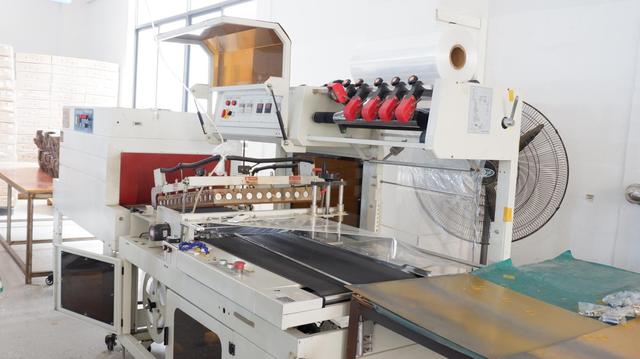
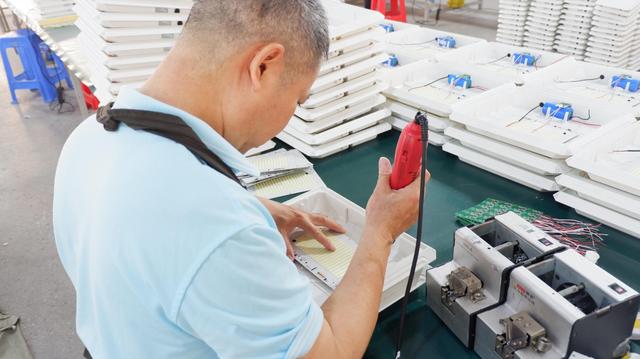
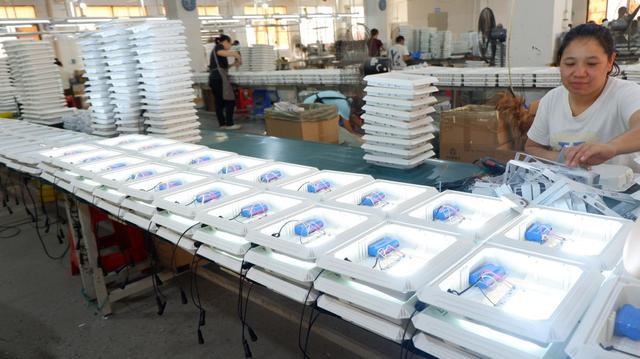
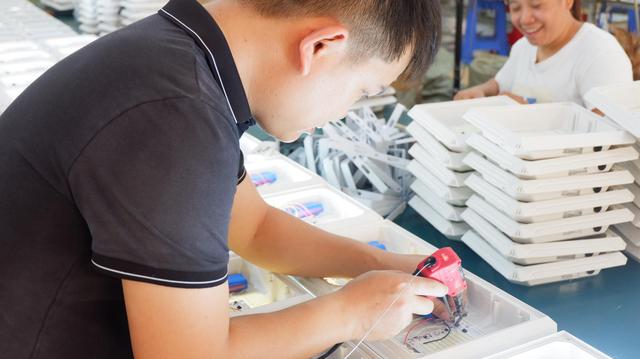
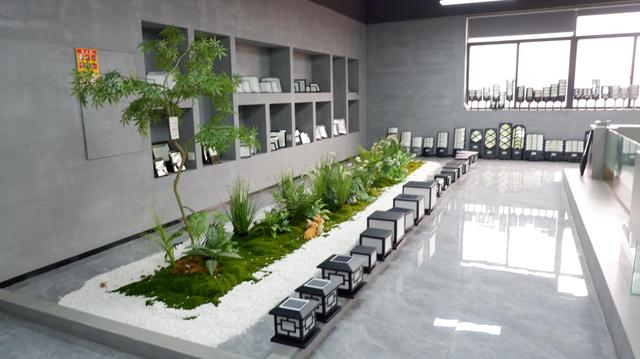
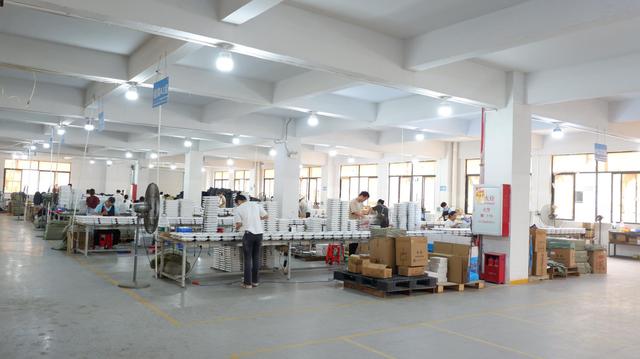
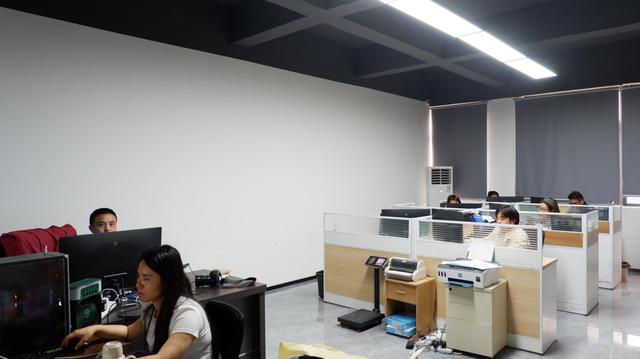
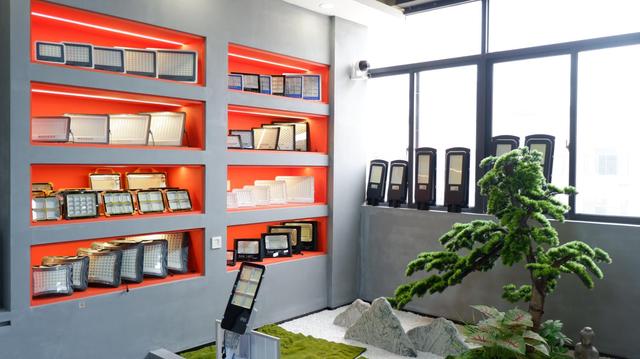
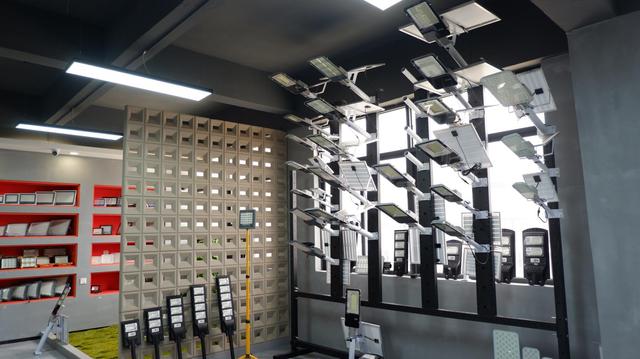
Foshan Joliras Light Co., Ltd., established in 2013, has positioned itself as more than just a manufacturer; it is a solution provider. With an 11,000 square meter facility and over 160 specialists, the company addresses macro-level challenges:
- The "Off-Grid" Challenge: Providing lighting for remote mining and agricultural regions where extending the power grid costs millions of dollars per kilometer.
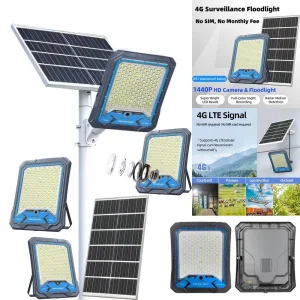
- Public Safety & Security: Integrating 4-Megapixel HD cameras with floodlights to provide 24/7 surveillance in areas without electrical infrastructure.
- Hazardous Environment Safety: Engineering explosion-proof solar flood lights for gas stations and chemical plants, meeting rigorous safety standards while maintaining energy efficiency.