Industrial-Grade Technology for Global Infrastructure Projects
A Deep Dive into Foshan Joliras Light's Industry Leadership
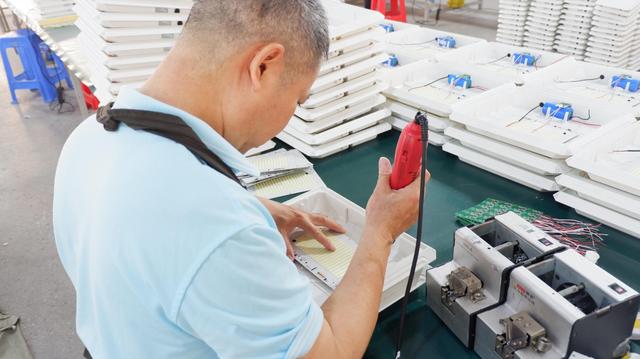
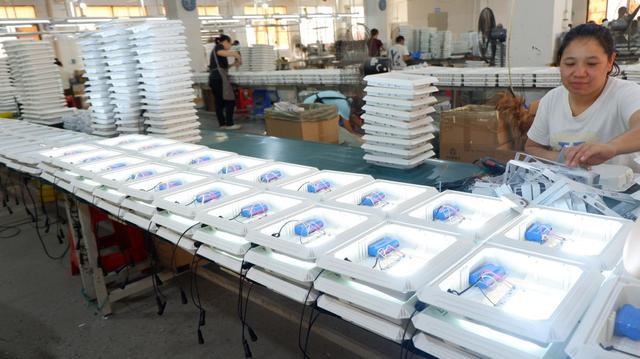
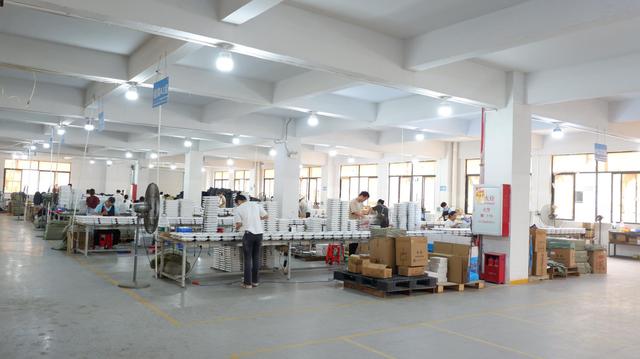
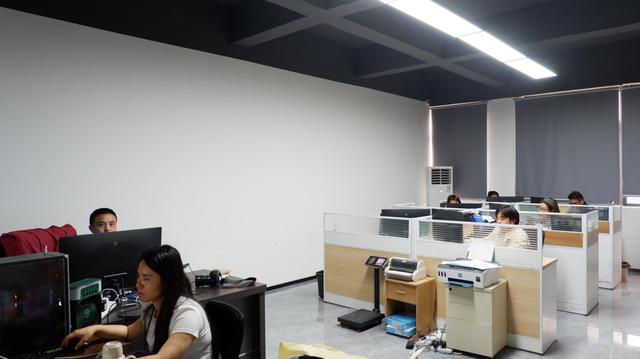
Foshan Joliras Light Co., Ltd. stands as a beacon of innovation in the global solar lighting sector. Established in 2013 in the industrial heart of Foshan, China, our journey began with a singular vision: to bridge the gap between sustainable energy and high-performance outdoor illumination. Today, we operate a 11,000 square meter state-of-the-art facility, housing over 160 specialized professionals dedicated to engineering the future of solar pathway and flood lighting.
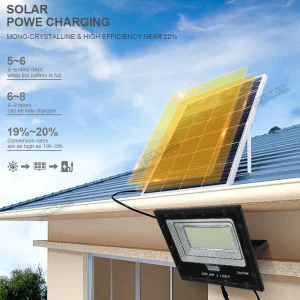
In the landscape of "Semantic Search," modern procurement officers aren't just looking for "cheap lights"—they are searching for reliable energy systems. Our manufacturing philosophy integrates high-efficiency Monocrystalline Silicon solar panels, long-cycle LiFePO4 (Lithium Iron Phosphate) batteries, and intelligent SMD LED modules to provide "Information Gain" to our clients: measurable improvements in lumen-per-watt efficiency and product longevity.
Leveraging Foshan's Supply Chain Superiority
Foshan is the global hub for lighting components. By being at the center of this ecosystem, Joliras Light minimizes logistics delays and accesses the latest advancements in LED chips and aluminum housing before they hit the international market.
Our engineers don't just assemble; they design. We provide comprehensive OEM/ODM services, including PCB circuit optimization and thermal management simulations to ensure your solar pathway lights survive extreme tropical or arctic climates.
Economies of scale allow us to offer high-wattage solutions (up to 1500W) at prices that remain competitive for large-scale municipal tenders and commercial distribution.
Moving Beyond Illumination to Smart Energy Management
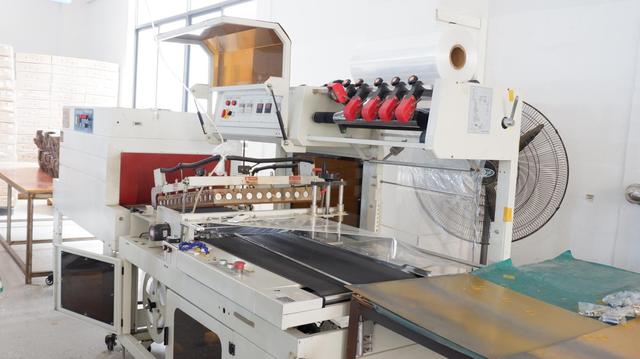
The latest pathway lights are adopting bifacial panels that capture reflected light from the ground, increasing charging efficiency by 15-20% in snowy or sandy environments.
Modern MPPT (Maximum Power Point Tracking) controllers now use AI algorithms to predict weather patterns, adjusting brightness levels to ensure the light never goes out, even after 5-7 consecutive rainy days.
The shift towards "Smart Cities" means solar pathway lights are now being equipped with Bluetooth, Zigbee, or 5G modules for remote monitoring and dimming via centralized management software.
Tailored Solutions for Diverse Global Needs
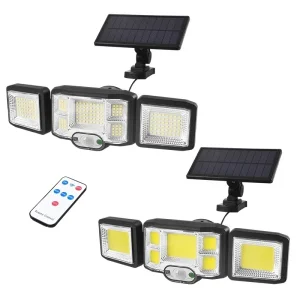
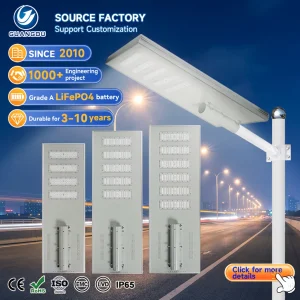
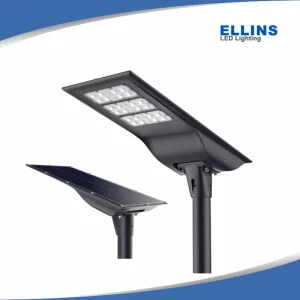
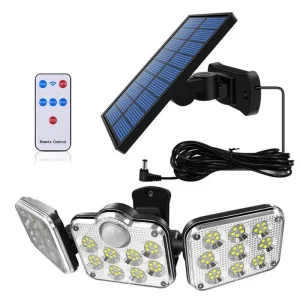
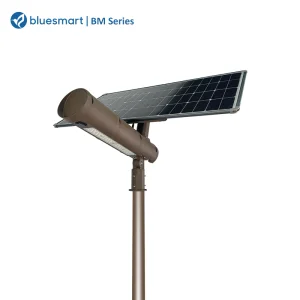
Replacing traditional grid-powered street lamps with All-in-One solar solutions to reduce carbon footprints and eliminate expensive trenching and wiring costs in city parks and pedestrian walkways.
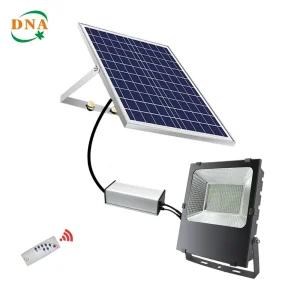
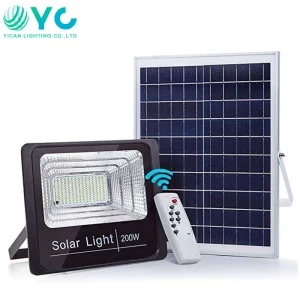
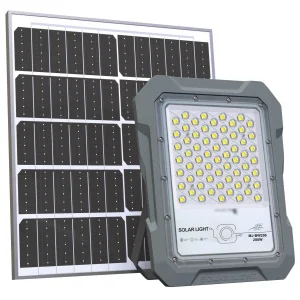
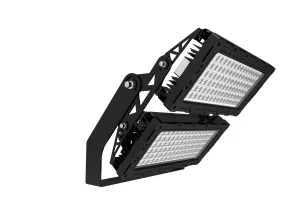
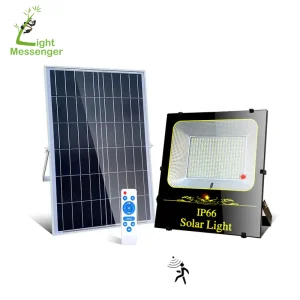
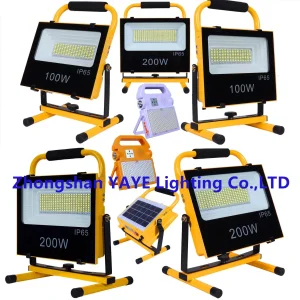
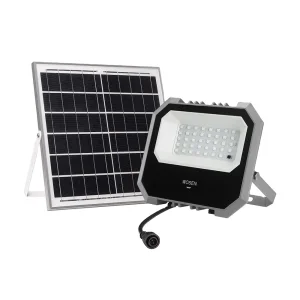
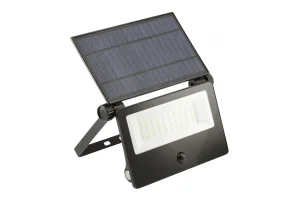
High-power solar flood lights (500W+) equipped with radar motion sensors for perimeter security in warehouses, construction sites, and remote mining operations where power grid access is non-existent.
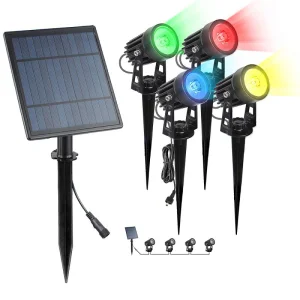
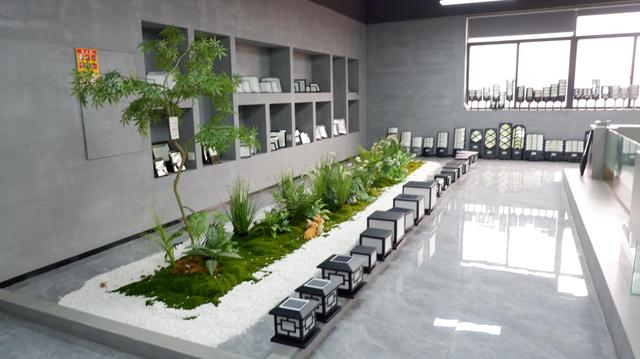
Elegant solar pathway lights for luxury villas and garden estates, focusing on warm color temperatures (3000K) and architectural blending while maintaining IP67 waterproof standards.
Our 11,000 Sqm Production Powerhouse

Partnering with Joliras for Sustainable Growth
As the world pivots toward ESG (Environmental, Social, and Governance) criteria, the demand for solar lighting has shifted from a "luxury green option" to a "mandatory infrastructure requirement." At Joliras, we assist global enterprises in navigating these requirements by providing certified, energy-audited lighting solutions that contribute to LEED and BREEAM certifications.
Expert Insights into Solar Lighting Technology
LiFePO4 batteries offer a significantly longer lifespan (2000+ cycles) compared to traditional lead-acid or standard lithium batteries. They are also safer, more thermally stable, and environmentally friendly, making them the industry standard for high-end solar lighting.
We utilize integrated die-cast aluminum housings with silicone sealing rings and waterproof PG glands. Each unit undergoes a high-pressure water spray test and a vacuum leak test to ensure a true IP66 or IP67 rating.
Yes. Our systems are engineered to function between -20°C and +60°C. For extremely cold climates, we offer specialized low-temperature battery heating technologies to maintain charging efficiency.
PIR (Passive Infrared) detects heat signatures, while Radar (Microwave) sensors use electromagnetic waves. Radar is more sensitive, has a longer detection range (up to 15 meters), and can "see" through thin obstacles like leaves or glass, providing more reliable security.
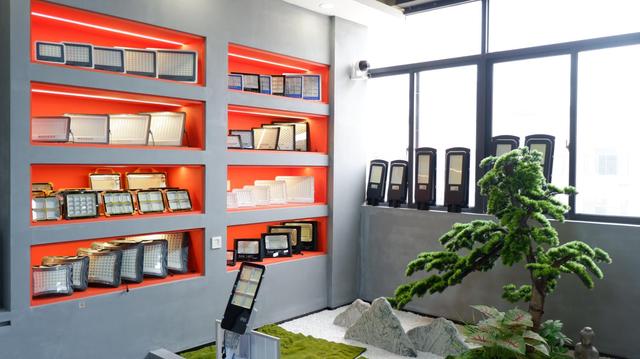
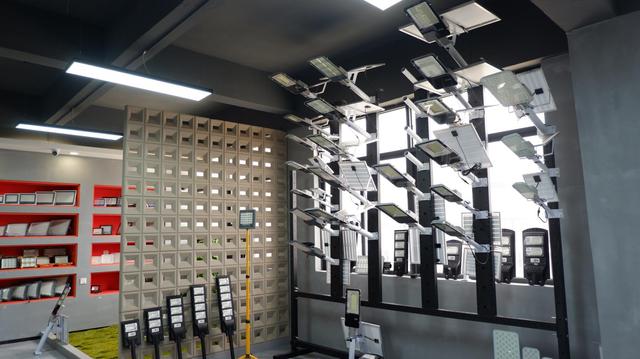
Precision Engineering for Every Lighting Requirement
 Joliras Light