Installing solar flood lights outside can transform your outdoor space. These lights offer security and ambiance while being energy efficient. According to energy expert John Smith, "Proper installation ensures the maximum benefit from solar flood lights."
Understanding how to install solar flood lights outside is essential for optimal performance. Choosing the right location is critical. For instance, an area with ample sunlight guarantees better charging. You also want to consider the height and angle of the lights for effective illumination.
However, even with proper planning, mistakes can occur. Some may underestimate the importance of securing the lights correctly. Others might overlook panel orientation. These challenges highlight the need for a careful approach. Perfect installation isn’t always achievable, but striving for better techniques pays off in the end.
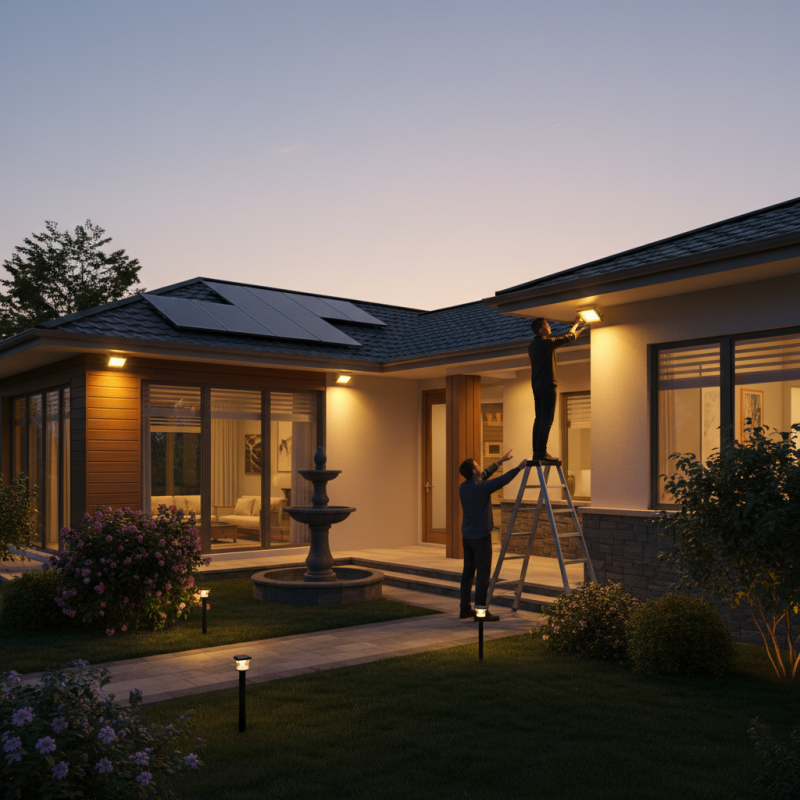
Solar flood lights are an excellent choice for outdoor lighting. They harness sunlight during the day and illuminate your space at night. These lights are easy to install and do not require wiring, making them a practical option for many homeowners. The convenience of solar flood lights allows for flexibility in installation locations, whether it’s a garden, driveway, or patio.
One significant benefit is their energy efficiency. Since they rely on solar energy, they help reduce electricity costs. They also contribute to a greener environment by using renewable energy. However, the effectiveness of solar flood lights can vary based on factors like sunlight exposure and battery capacity. It’s crucial to assess your location to ensure optimal performance.
Users may notice that during short winter days, these lights might not last through the night. This can be a downside, particularly in areas with limited sunlight. Therefore, monitoring usage and considering the solar panel's placement is essential. The potential for reduced illumination in certain conditions demands careful planning, but the environmental benefits often outweigh these concerns.
| Tip Number | Tip Description | Benefits |
|---|---|---|
| 1 | Choose the right wattage | Ensures adequate brightness for your space. |
| 2 | Select the appropriate location | Maximizes sunlight exposure for efficient charging. |
| 3 | Ensure a clear line of sight to the sun | Prevents shadowing from trees or buildings. |
| 4 | Angle the lights for optimal illumination | Improves light distribution in desired areas. |
| 5 | Regularly clean the solar panels | Maximizes energy absorption and efficiency. |
| 6 | Use motion sensors for smart operation | Saves energy by activating only when needed. |
| 7 | Check battery capacity | Ensures longer operational times during the night. |
| 8 | Consider waterproof models | Increases durability and lifespan in various weather conditions. |
| 9 | Read user reviews before purchase | Provides insights on performance and reliability. |
| 10 | Follow manufacturer installation guidelines | Ensures safe and effective setup for optimal operation. |
: Location is crucial. Proper placement can increase light output by up to 30%.
Focus on paths, driveways, and entry points for safety and security.
They require direct sunlight for at least six hours daily for optimal performance.
Install lights at a height of 6-8 feet for optimal coverage and security.
Essential tools include a ladder, drill, screwdriver, and safety gear like gloves and goggles.
Regularly clean the solar panels and check the batteries for damage or corrosion.
Dust on solar panels can block sunlight, reducing their efficiency dramatically.
You may need to adjust light angles or check solar panel exposure for better performance.
Inspect for loose screws or damaged parts and ensure proper battery placement.
Regular evaluations help optimize light angles and overall effectiveness of the installation.
Installing solar flood lights outside can greatly enhance the safety and ambiance of your outdoor spaces. To begin, it's important to understand the benefits of solar flood lights, including energy efficiency and easy installation. Choosing the right location will maximize their effectiveness—aim for areas with ample sunlight exposure.
Before starting the installation, gather essential tools and materials such as a drill, screws, and mounting brackets. The process itself involves a step-by-step approach: from marking the installation spots to securing the lights and testing their functionality. Lastly, regular maintenance tips, like cleaning the solar panels and checking the battery, can ensure optimal performance over time. By following these guidelines on how to install solar flood lights outside, you can enjoy well-lit outdoor areas with minimal hassle.

 Joliras Light