Solar flood lights are an innovative solution for outdoor lighting. They harness the power of the sun, providing a sustainable and economical lighting option. By converting solar energy into electricity, these lights illuminate gardens, parks, and driveways effectively.
According to Dr. Sarah Johnson, a leading expert in renewable energy, "Understanding how do solar flood lights work is key to maximizing their benefits." Her insights emphasize the importance of energy efficiency and light quality in outdoor spaces.
The technology behind solar flood lights includes solar panels, batteries, and LED bulbs. During the day, solar panels absorb sunlight and convert it into electrical energy. This energy charges the built-in battery for nighttime use. Despite their advantages, some users still overlook the positioning of panels, affecting performance. Ensuring proper sunlight exposure is essential for optimal functionality. Understanding these elements can lead to better lighting solutions that meet specific needs.
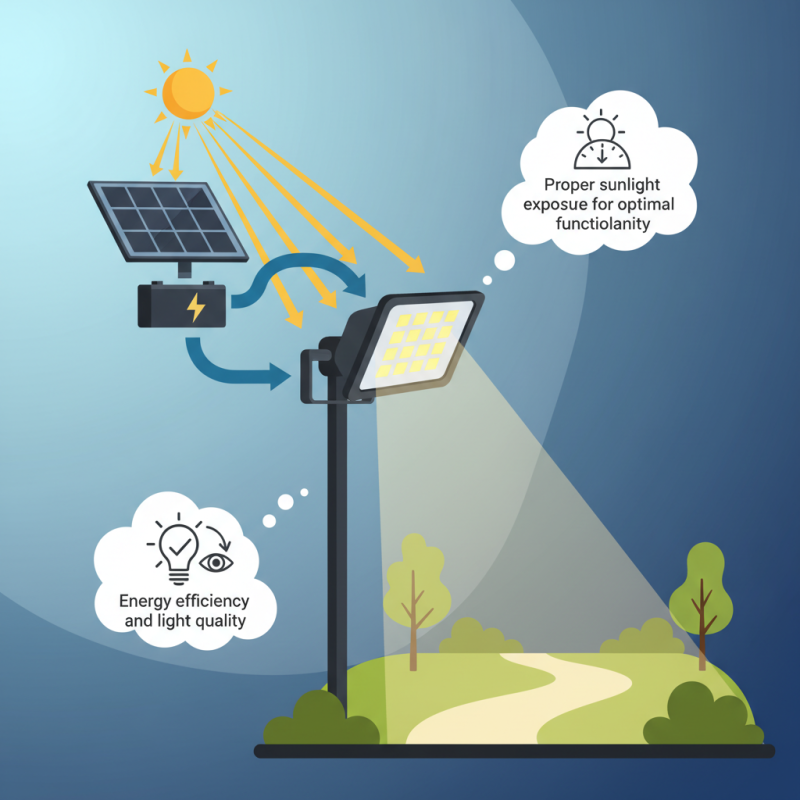
Understanding Solar Flood Lights: An Overview
Solar flood lights have become a popular choice for outdoor lighting solutions. They harness sunlight during the day and convert it into energy. This energy powers the lights at night, providing illumination for various outdoor areas. Solar flood lights are suitable for gardens, parking lots, and pathways. Their setup is simple, requiring no wiring.
Installing solar flood lights can be straightforward, but consider a few tips. Position the lights in areas with maximum sun exposure. This ensures the batteries charge fully. Test the brightness in different locations. Some spots may not achieve optimal illumination.
Adjusting the angle of the solar panel is essential. A slight tilt could significantly enhance energy absorption. It's crucial to maintain the solar panel clean and free from debris. Dust and leaves can block sunlight, reducing efficiency. Regularly check the battery and replace it when necessary for continued performance. These practical steps can enhance your outdoor lighting experience.
How Solar Panels Convert Sunlight into Energy
Solar panels are sophisticated devices designed to transform sunlight into usable energy. They primarily rely on photovoltaic (PV) cells, which are composed of semiconductor materials. When sunlight strikes these cells, they absorb photons and release electrons. This process generates direct current (DC) electricity. A report from the National Renewable Energy Laboratory (NREL) indicates that solar panel efficiency has improved significantly, with some panels now converting over 20% of sunlight into electricity.
The energy harnessed by solar panels powers various applications, including solar flood lights. These lights incorporate batteries to store excess energy generated during the day for nighttime use. According to a study by the U.S. Department of Energy, solar lighting systems can reduce energy costs by up to 80%. This transformation of sunlight into electricity supports environmentally conscious outdoor lighting solutions. However, the reliance on sunlight raises questions about efficiency in areas with limited sunlight throughout the year.
Investing in solar lighting can lead to substantial long-term benefits. Positive environmental impact is significant, but there are challenges too. Inconsistent sunlight exposure can hinder performance in some climates. As technology advances, better solutions may emerge. Understanding the intricacies of solar energy conversion is crucial for maximizing its benefits in applications like outdoor lighting.
Solar Flood Lights Energy Conversion Efficiency
This bar chart illustrates the energy conversion efficiency of solar panels throughout different periods of the day, highlighting how solar flood lights can effectively harness sunlight for outdoor lighting solutions.
The Components of Solar Flood Lights Explained
Solar flood lights are becoming a vital component of outdoor lighting solutions. They harness solar energy to provide illumination efficiently and sustainably. The primary components of solar flood lights include solar panels, LED bulbs, batteries, and a controller. Each element plays a crucial role in the functionality of the system.
Solar panels convert sunlight into electricity. This energy charges the batteries during the day, allowing for usage at night. The LED bulbs, known for their energy efficiency, deliver bright light while consuming less power. The controller regulates the flow of energy, ensuring that the lights turn on and off at the right times. Notably, solar flood lights can emit up to 120 lumens per watt, significantly boosting outdoor security and visibility.
**Tips:** When selecting solar flood lights, consider the battery capacity and the solar panel size. A larger solar panel can capture more energy. Ensure your lights are placed in areas that receive adequate sunlight. Weather conditions can impact performance. Regular maintenance, like cleaning solar panels, can improve efficiency.
Some challenges exist with solar flood lights. For instance, performance can decrease in areas with limited sunlight. Additionally, extreme weather may affect battery lifespan. It's essential to choose quality products backed by reliable data. Research suggests that low-quality solar flood lights often fail within a year. Investing in better options can lead to long-term savings and effective outdoor illumination.
How Do Solar Flood Lights Work for Outdoor Lighting Solutions?
| Component |
Description |
Functionality |
| Solar Panel |
Converts sunlight into electricity |
Provides energy to the light |
| Battery |
Stores electricity generated by solar panel |
Supplies power during the night |
| LED Light |
Light source that uses less energy |
Provides illumination when activated |
| Light Sensor |
Detects daylight and darkness |
Activates the light when it’s dark |
| Controller Circuit |
Manages the energy flow |
Ensures efficient operation of the light |
Benefits of Using Solar Flood Lights for Outdoor Areas
Solar flood lights offer numerous benefits for outdoor areas, making them an attractive lighting solution. These lights operate using renewable energy, which helps reduce electricity costs. According to a report by the U.S. Department of Energy, solar lighting can decrease energy bills by as much as 75%. This statistic confirms the potential savings for homeowners and businesses.
Another key benefit is the convenience of installation. Solar flood lights do not require complex wiring or electrical setups. They can be easily mounted in any area with direct sunlight. This flexibility allows for quick placement in gardens, driveways, and patios. Additionally, many solar flood lights come with motion sensors, enhancing security by illuminating areas when movement is detected. This is particularly helpful, with studies showing that well-lit properties can deter criminal activity.
However, there are considerations to keep in mind. Solar flood lights rely on adequate sunlight for optimal performance. In regions with less sunlight, the efficiency may drop, leading to less consistent lighting. Some users report that battery life can vary based on weather conditions. This variability highlights the need for ongoing assessment of solar lighting systems. Keeping these factors in mind can help users make informed decisions about their outdoor lighting needs.
Installation and Maintenance Tips for Solar Flood Lights
Installing solar flood lights requires careful consideration of several factors. Proper placement directly impacts effectiveness. Ideally, these lights should receive direct sunlight for at least six hours daily for optimal charging. According to a study by the U.S. Department of Energy, well-placed solar lights can provide illumination equivalent to standard electric lighting for many outdoor areas. However, improper installation can lead to inadequate lighting performance.
Maintenance is crucial for longevity. Regularly check the solar panel for dirt and debris, which can significantly reduce efficiency. A report from the Solar Energy Industries Association highlights that proper care can extend the lifespan of solar flood lights by up to three years. Additionally, battery health is essential. Batteries need replacement every two to three years, depending on usage and environmental conditions.
Users sometimes overlook different lighting needs. The brightness and duration of illumination should match outdoor activities. While solar flood lights are energy-efficient, they might not perform well in overcast weather or during winter months. Investing time in understanding performance limitations can enhance user experience and safety in outdoor spaces.
Conclusion
Solar flood lights are an innovative outdoor lighting solution that harness solar energy to provide illumination without the need for wired electricity. Understanding how do solar flood lights work involves recognizing their main components, such as solar panels, batteries, and LED lights. Solar panels convert sunlight into energy, which is stored in batteries and then used to power the lights at night. This efficient process enables sustained outdoor lighting while reducing electricity costs and environmental impact.
The benefits of using solar flood lights include their easy installation, low maintenance needs, and eco-friendliness, as they operate independently of traditional power sources. Proper positioning of the solar panels and ensuring they receive adequate sunlight are key for optimal performance. Overall, solar flood lights offer a practical and sustainable lighting solution for various outdoor applications.

 Joliras Light